




Depression is a mental health condition that impacts millions of people around the world. While there are plenty of medications that can help people who have depression, it’s not the only treatment modality. In fact, a psychiatric service dog (PSD) may be able to improve your quality of life if you struggle with depression. Whether it’s chronic, sporadic, or triggered by something specific, service dogs for depression may be what you need to get back to enjoying what you love.
While a service dog for depression may be what you need, there’s a lot you need to learn about these dogs before you can acquire one. Not only do you need to know how service dogs can help with depression, but you also need to understand which breeds are the best choices. Plus, it helps to know what a training program may look like and how much it costs.
The good news is that we have your back in this guide. Read on to learn everything you need to know about service dogs, how they help with depression, and how you can get one.
What Is a Service Dog?
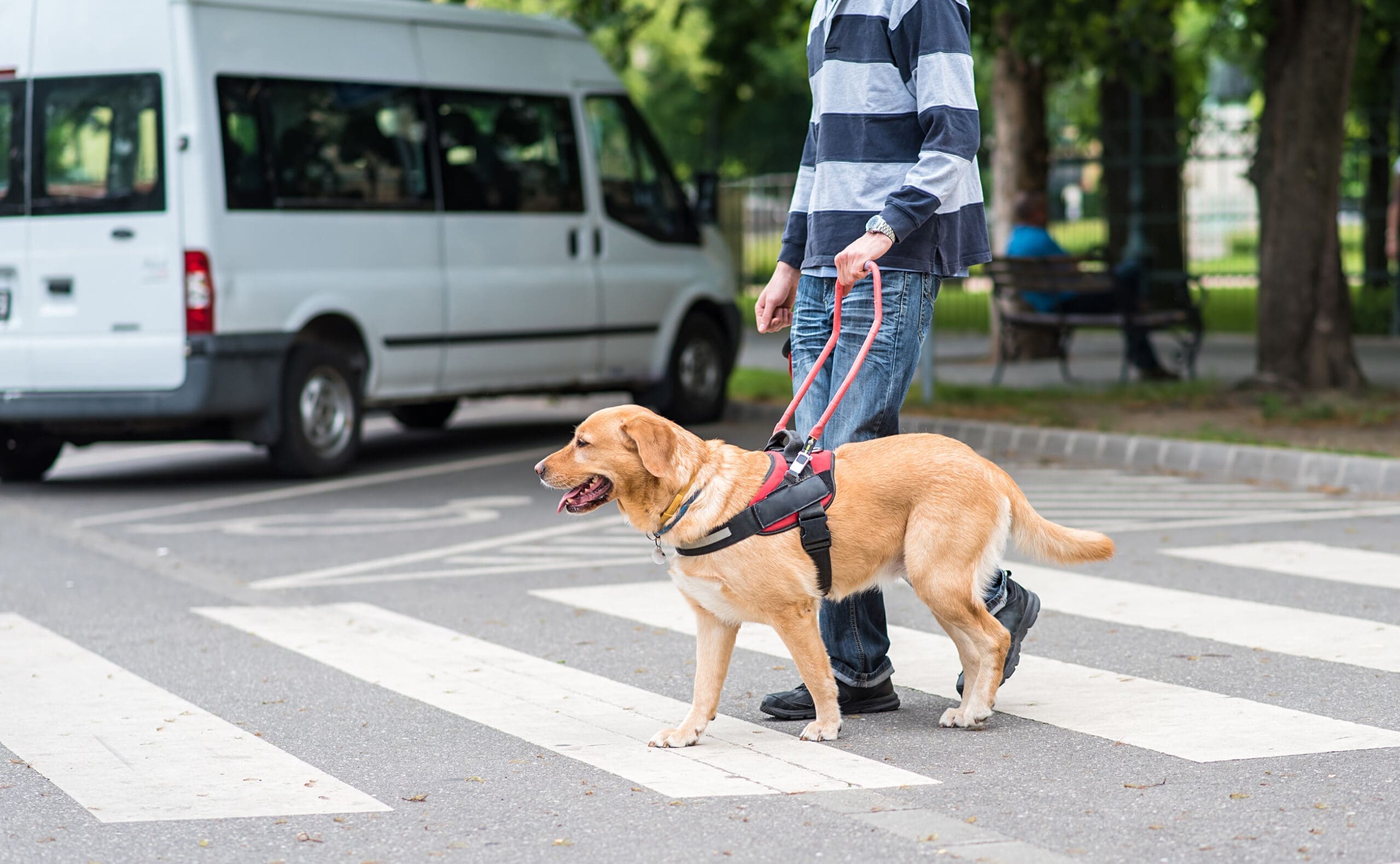
A service dog is a unique canine companion that’s trained to help someone who has a physical or mental disability. According to the Americans with Disabilities Act (ADA), service dogs can assist with a wide variety of tasks, including pushing a wheelchair, guiding someone who’s blind, and even alerting deaf people to noises. Of course, these are only a few examples of conditions that service dogs can help with.
Under the ADA, service dogs are allowed to accompany you in public spaces. This ensures that your canine companion can support you whenever you need them. What’s more, service dogs are also protected under the Fair Housing Act (FHA) and the Air Carrier Access Act (ACAA). This allows service dogs to accompany you on flights and in your home. For example, if you live in an apartment that’s not pet-friendly, service dogs are still allowed to live with you, and without a fee.
Does Depression Qualify for a Service Dog?
Yes, depression qualifies for a service dog. In fact, depression is one of many disabilities that qualify for a service dog. That said, whether or not you’ll qualify for a service dog comes down to a conversation between you and a licensed mental health professional (LMHP).
Depending on the state, this consultation may be done via telehealth. However, you can always meet with a licensed therapist in person to determine if you qualify.
How a Service Dog For Depression Can Help
Yes, service dogs can help with depression. When dealing with depression, the type of service dog that can help is a psychiatric service dog (PSD). These service dogs are trained to help people who struggle with mental health disabilities. Typically, PSDs help people with mental health by calming them during panic attacks, helping someone avoid triggers, and sometimes even just by being there.
For depression, there are many aspects of the condition that service dogs can help with, and these tend to vary on a case-by-case basis. Learn more about some common examples below.
Emotional Support
Like an emotional support animal, or ESA, a service dog for depression can help by providing you with emotional support. After all, depression can be an emotional issue, so it’s no surprise that support goes a long way. That said, when it comes to emotional support, you’ll find that service dogs for depression help in a few ways, and how they help may even vary based on your specific needs.
Some examples of how a PSD can help with depression include:
- Reducing anxiety that may spiral into depression is left untreated.
- Improving the mood of someone who struggles with depression.
- Providing someone with a sense of purpose by giving them something to care for.
- Preventing loneliness from turning into depression or anxiety.
These are only a few ways that a service dog for depression can assist with emotional regulation. In fact, how they can help will almost always vary depending on the specific case. So, if you don’t see us cover something, that doesn’t mean a PSD can’t help.
Physical Assistance
Service dogs for depression can also help someone with depression physically. Therefore, it’s not just people who have physical disabilities that can benefit from a PSD. When it comes to physical assistance, you’ll find that there are a few ways they can help, which include:
- Providing deep pressure therapy (DPT), which can help someone remain calm.
- Nudging at someone to get them out of bed.
- Physically interrupting someone from harming themselves.
- Guiding someone through crowds.
- Finding help if someone harms themselves or has a panic attack.
- Offering a paw to help you stay comfortable.
Of course, these are only a few examples of ways that service dogs for depression can help someone physically.
Helping Someone with Specific Tasks
Last but not least, a service dog for depression can help someone with a specific task. These tasks are highly specific to the person a service dog is helping, but that doesn’t mean we can’t give you a little inspiration. Some examples of tasks that a PSD can help with for depression include:
- Waking you up, especially if you’re having trouble getting up for work or other responsibilities.
- Reminding you when it’s time to take your medication.
- Fetching your medications for you.
- Communicating with you if it’s time for you to leave a situation that may overwhelm you.
These are only a few examples of specific tasks that service dogs can help you with. Of course, you can train a PSD to help you with just about anything, so speak with a LMHP and service dog trainer to begin the process.
How to Get a Service Dog for Depression
When it comes to getting a service dog for depression, the process doesn’t have to be complicated. However, it’s not as simple as buying/adopting a dog and claiming that they’re a service dog for depression. Instead, you need to follow a few steps.
To get a service dog for depression, you can follow the steps below.
- Consult with a licensed mental health professional (LMHP) in your state.
- Speak with an LMHP about the tasks you may need a service dog for depression to help you with. Examples include fetching medication, getting you out of bed, and nudging you if they find something wrong.
- Adopt or purchase a service dog from a reliable source, or consider adopting and training one yourself. It’s best to start with a puppy.
- Once you bring your dog home, begin the training process.
How Much Does a Service Dog for Depression Cost?
The cost of a service dog for depression varies greatly. If you decide to train a PSD yourself, the costs may only be around $250 to $5,000. That said, it’s important to choose the appropriate program, begin when your PSD is a puppy, and focus on training them consistently. It’s also important to note that you’ll have to pay for the dog. If you go the adoption route, this will cost around $50 to $750, and if you buy a dog from a breeder, it may cost $1,000 to $5,000.
While training a PSD yourself may be the most affordable option, that doesn’t mean it’s right for everyone. For this reason, you can opt to buy a PSD or have someone train them for you. This usually costs around $10,000 to $30,000.
It’s also important to note that there may be some programs available to you that will help you cut costs. These tend to be programs from nonprofit organizations that train service dogs, and you’ll need to meet some requirements.
Service Dog for Depression: Our Final Thoughts
If you or someone you love is struggling with depression, a service dog may be the exact thing that they need to feel better. A service dog for depression can assist you by fetching medications, encouraging you to get outside, and even by making it easier to interact with others. What’s more, service dogs for depression can prevent depressive episodes from starting by keeping their handlers away from potential triggers.
That said, whether or not you qualify for a service dog comes down to a conversation between you and a licensed mental health professional. It’s also important to note that service dogs aren’t the only option. If you have a cat that offers emotional support for you in your home, for example, you can always opt for an ESA letter.