




Flying with a dog is not something you improvise. Airports are loud, rules are strict, and airline policies change often. The difference between a smooth trip and a bad experience comes down to preparation and knowing exactly how airlines operate.
This guide breaks it all down so you know exactly what to expect before you even book your ticket.
Airline Rules and Restrictions for Flying With a Dog
Airline policies can feel inconsistent, but they all follow the same legal backbone: the Air Carrier Access Act (ACAA). This law defines how airlines must treat passengers traveling with disabilities and service animals. It also draws a clear line that most people misunderstand.
Under the ACAA, only trained service dogs qualify for special access. All other pets, including emotional support animals (ESAs) do not get the benefits provided by this law.
In practice, every dog on a flight falls into one of two categories.
Pets (Including ESAs)
The majority of pet dogs fall into this category. Generally, most U.S. airlines allow small dogs in the cabin, but only if they fit inside an approved carrier under the seat. Larger dogs usually have to travel in cargo, though some airlines have limited or removed this option entirely.
Expect stringent requirements around size, documentation, and behavior. You will need a recent health certificate, and your dog must remain calm throughout the journey. Also, note that airlines control access tightly. They can charge fees, limit the number of pets per flight, and deny boarding if your setup doesn’t meet their standards.
Service Dogs (Protected Under the ACAA)
Service dogs get a completely different level of access. They are allowed to fly in the cabin with their handler, without pet fees, and without being confined to a carrier. However, that access comes with expectations.
Still, there’s a catch. Airlines will require documentation, including the U.S. Department of Transportation Service Animal Air Transportation Form. This confirms that your dog is trained to perform a specific task, is healthy, and can behave appropriately in public.
The distinction between pets and service dogs is not flexible. Airline staff follow policy closely, and misunderstandings here are one of the common reasons travelers get turned away. If you’re unsure what qualifies, our detailed guide on what disabilities qualify for a service dog clears up a lot of confusion.
Can Your Dog Fly in the Cabin or Cargo?
This comes down to size, behavior, and airline policy. If your dog is small enough, the cabin is the best option. They stay with you in a carrier under the seat, which keeps the environment stable and far more predictable.
To qualify for cabin travel:
- Your dog must fit comfortably inside the carrier.
- The carrier must remain closed during the flight.
- Your dog must stay calm and quiet.
Most airlines set a combined weight limit between 15 and 25 pounds, including the carrier. If your dog exceeds this, cargo becomes the only option. It involves:
- A hard-sided, airline-approved crate.
- Separate check-in procedures.
- Temperature and weather restrictions.
Some airlines have reduced or removed cargo pet programs due to safety concerns, so it’s important to confirm current policies directly with the airline before booking.
How Much Does Flying With a Dog Cost?
Flying with a dog is not a small add-on. Costs add up quickly, especially once you factor in requirements beyond the ticket.
Here’s what you can expect:
- Cabin Pet Fee: $75 to $250 per flight.
- Cargo Transport: $300 to $1,000+ depending on size and distance.
- Health Certificate: $50 to $150 from a licensed vet.
- Travel Crate: $50 to $300.
International travel can increase costs further with import permits, additional vaccinations, and possible quarantine fees. Understanding the full cost upfront helps you plan better and avoid last-minute surprises when flying with a dog.
How to Prepare Your Dog for a Flight
Preparation determines how your dog handles the flight. The goal is simple: make the experience feel familiar before travel day. Focus on these steps:
- Carrier Training: Let your dog get used to the carrier at home. Keep it open and build up the time they spend inside so it feels like a normal space.
- Movement Exposure: Use short car rides in the carrier to help your dog adjust to motion and confinement together.
- Veterinary Check: Visit a vet to confirm your dog is fit to fly and to get any required health documents.
- Pre-Flight Routine: Exercise your dog before leaving and avoid heavy meals so they stay calm and manageable.
Good preparation keeps your dog steady and makes flying with a dog far easier to manage.
What to Pack When Flying With a Dog
You don’t need much, but what you bring matters. At minimum, you’ll want:
- A collapsible water bowl.
- A leash and secure harness.
- Waste bags or pee pads.
- A small portion of food.
- A familiar item like a blanket or toy.
- All required travel documents.
Just make sure to keep everything accessible. Think in terms of comfort and control. If something goes wrong, these are the items that help you handle it quickly.
Flying With a Dog as a Service Animal or ESA
This is what confuses most pet parents because service dogs and emotional support animals (ESAs) are treated very differently by airlines.
Service dogs are trained to perform specific tasks related to a disability. Because of that, they are allowed to fly in the cabin without fees and without being restricted to a carrier, as long as they meet behavior and documentation standards. If you want a clearer picture of their role, this deep dive on what service dogs do explains the types of tasks they are trained for.
Emotional support animals (ESAs) no longer receive the same treatment. Airlines classify them as pets, which means they must follow standard pet policies, including size limits and fees. If you’re planning your trip around ESA access, you’ll need to adjust expectations. The policy shift following the 2021 amendment in the ACAA has been consistent across major airlines.
Can You Make Your Dog a Service Animal for Flights?
You cannot simply declare a pet a service animal to avoid fees. A service dog must perform a task directly related to a disability and remain under control in public environments. That level of training takes time and consistency.
Airlines can deny boarding if your dog is not behaving appropriately or does not meet the criteria. If you’re exploring this path, our guide on registering a service dog explains what documentation is typically expected and what the process involves.
Tips to Reduce Stress and Risk When Flying With a Dog
Once everything is in place, the focus shifts to execution. Here are some quick tips to make your and your dog’s air travel pleasant:
- Choose direct flights whenever possible. Each connection introduces more handling, more waiting, and more chances for things to go wrong.
- Timing matters too. Early morning or late evening flights help you avoid extreme temperatures, which is especially important if your dog is traveling in cargo.
- Arrive at the airport early so you’re not rushing through check-in and security. Pressure in those moments tends to carry over to your dog.
- Stay aware of your own behavior. Dogs pick up on tension quickly. If you’re calm and controlled, they are more likely to settle into the experience.
Flying with a dog becomes far more manageable when you remove unnecessary variables and stay in control of the situation from start to finish.
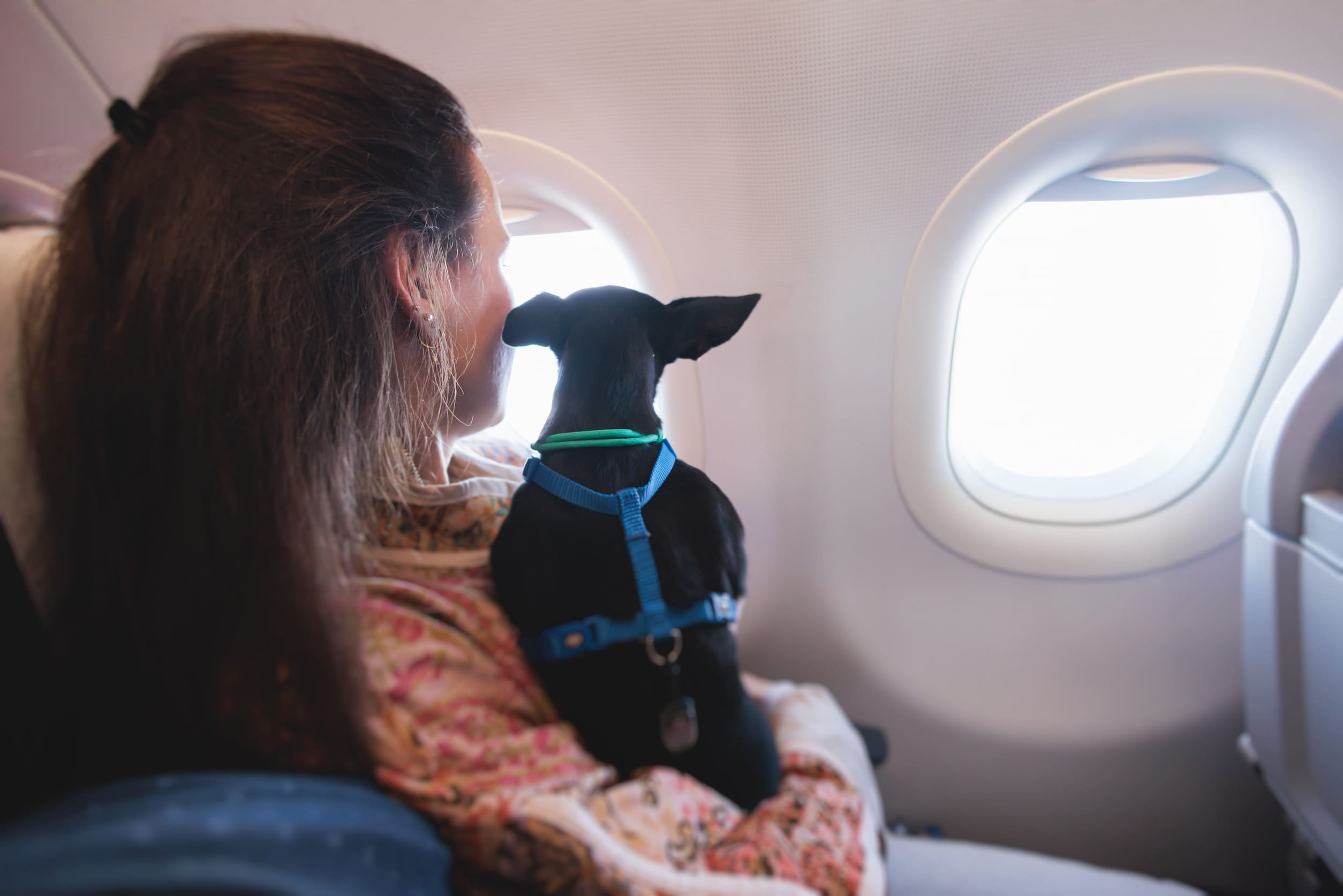
Flying With a Dog Safely Starts With Proper Preparation
Booking a flight with a pet by your side requires absolute precision. You need to understand the rules, know where your dog fits legally, prepare them for the environment, and plan for the full cost of travel.
Get the preparation right before you leave home. That’s what turns a stressful trip into a controlled one.