




Our canine companions form deep bonds with us, and they show their love and loyalty in many different ways. Some dog breeds protect us from threats, while others show this by working tirelessly to please us.
Of course, there are also dogs out there who show it through transforming into total cuddle pups. They lovingly smother their owners in licks, take any opportunity to snooze on their laps, and follow them from room to room (and no doubt demanding belly rubs while they’re at it).
An extremely affectionate dog doesn’t just make a wonderful family companion; they can also make an excellent emotional support animal (ESA). If you’re considering an ESA to help you better manage your disability, then keep reading. We’ve compiled a list of the most affectionate dog breeds around that also make great ESAs.
The 6 Most Affectionate Dog Breeds
The breeds below have a well-deserved reputation for being unreserved with their affection. They also have traits that make them well-suited to an ESA role.
1. Golden Retriever
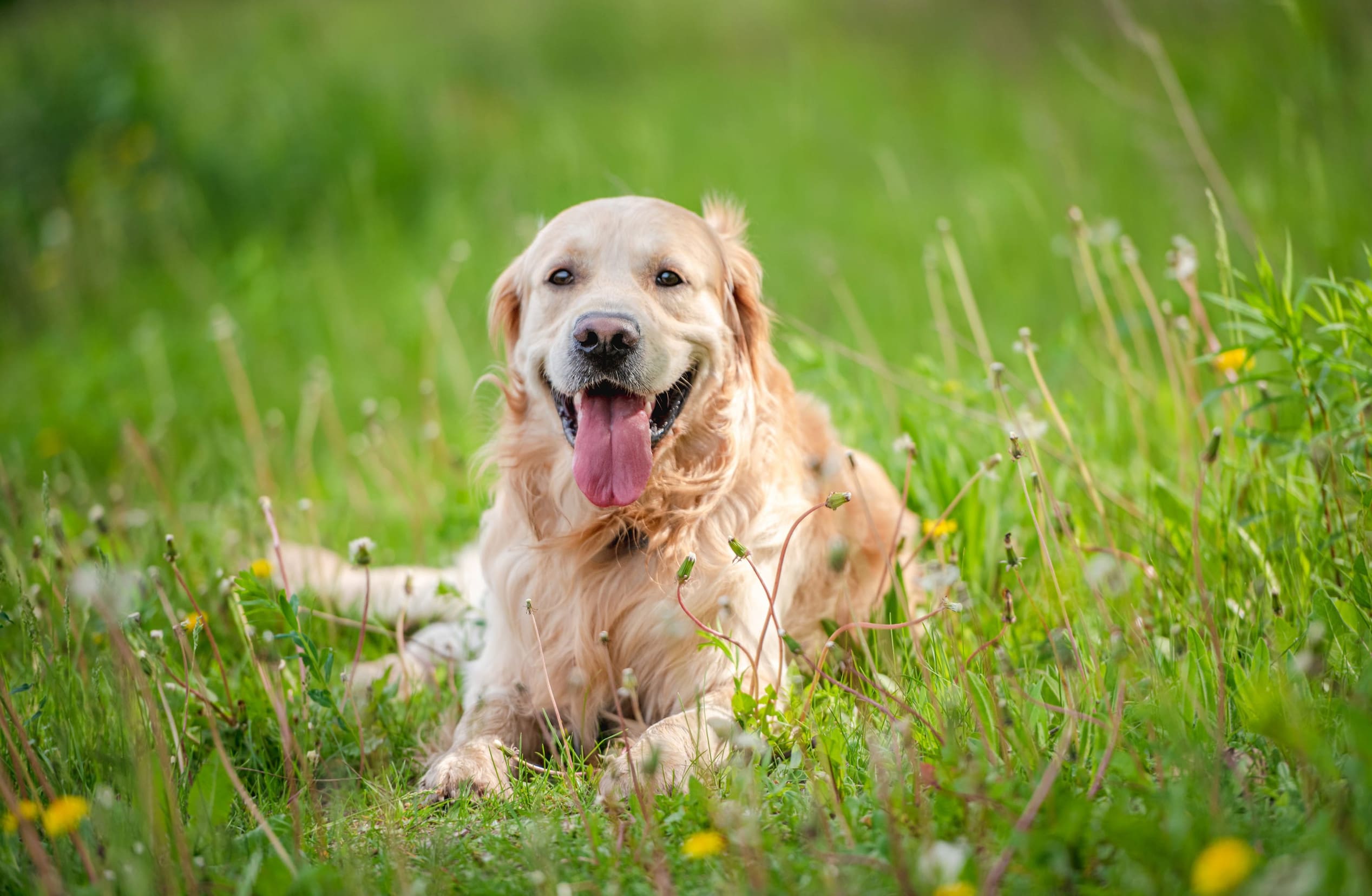
The golden retriever is a bundle of sunshine, both in terms of their stunning golden coat and personality. They love nothing more than snuggling up with their owner after a good fetch session or tug-of-war battle. They are also affectionate toward everyone they meet, including strangers, making them an ideal ESA companion for those who lead busy social lives.
The golden retriever’s long, dense coat also ups their cuddle factor by tenfold. While it does need a fair bit of maintenance, stroking their fur is incredibly soothing and can offer therapeutic relief. The sensory, tactile feedback can also be grounding.
Golden retrievers are adaptable and can suit various families and homes. They are also incredibly patient with kids of all ages and able to tolerate roughhousing, so they can even be suitable ESAs for young children too. However, they do need a good amount of space to thrive and stretch their legs.
2. Labrador Retriever
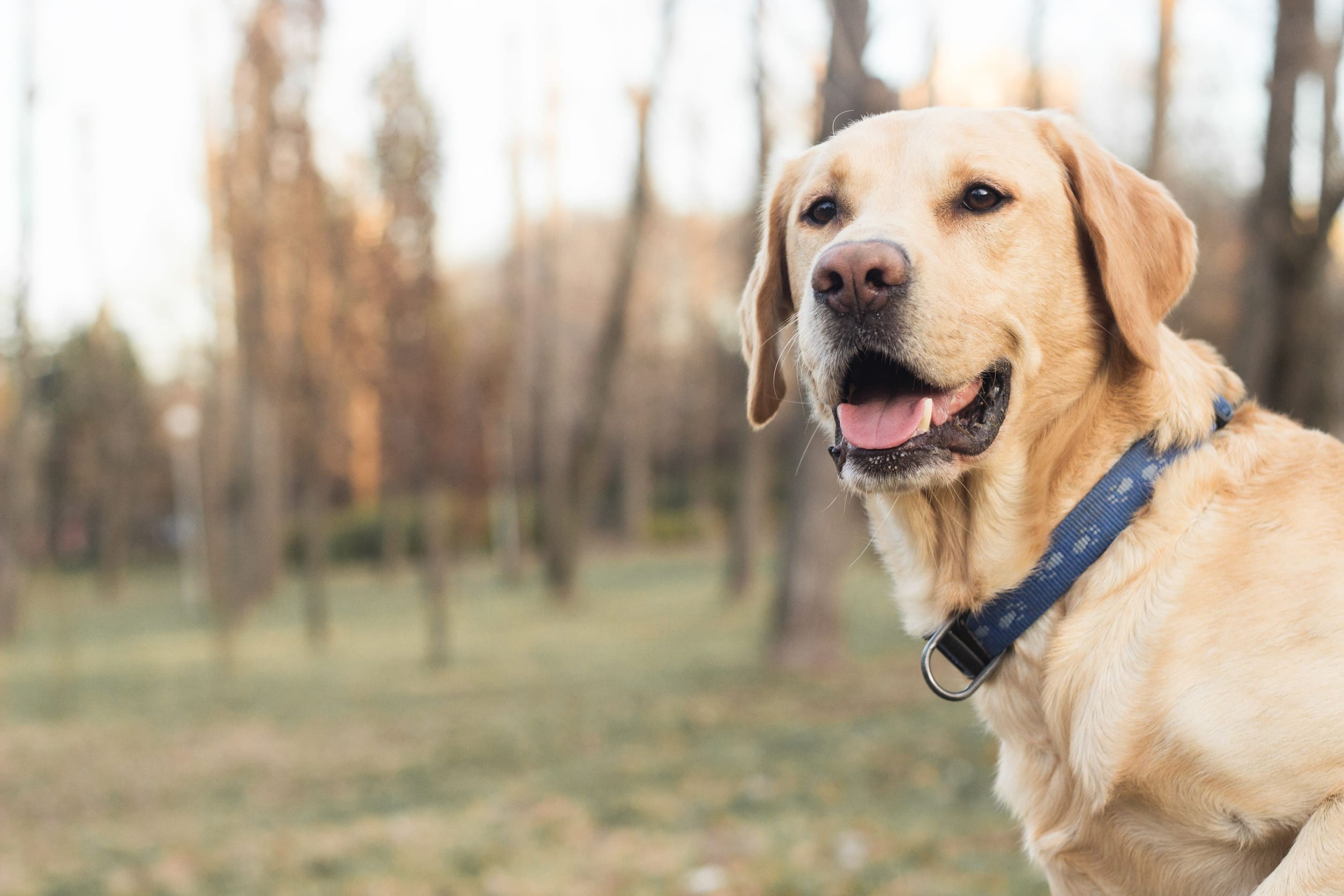
The Labrador retriever is one of the most commonly used service dog breeds, and the traits that allow them to excel at this role also allow them to shine as an emotional support animal.
They’re exceptionally affectionate with a cheery, mood-brightening attitude and endlessly wagging tail. They are also quick learners and can be easily trained by even novice owners.
While the Labrador retriever isn’t as fluffy as the golden retriever, their coat does require less maintenance and isn’t prone to picking up foul odors or debris. It also means long cuddle sessions won’t leave your clothes covered in fluff.
Labrador retrievers are affectionate and energetic in equal measure. This makes them an especially good ESA for those seeking the best of both worlds: An active companion when outdoors and an oversized lapdog within the home.
3. Cavalier King Charles Spaniel

The cavalier King Charles spaniel was selectively bred for companionship. So, it’s certainly not a stretch to say that affection is hardwired into them. They are truly happiest when they are by their owner’s side and never tire of pets or belly rubs.
The breed is so affectionate, in fact, that they often struggle to be left alone and are prone to separation anxiety. This is something that will need to be carefully managed with training if you’re looking to adopt this pup to be your ESA.
The cavalier King Charles spaniel also has a natural flair for sensing their owner’s emotional state. They can often detect when their owner is starting to feel distressed, and instinctively comfort them, often through licks, nudges, and cuddles.
They are also more easygoing than Labs and golden retrievers, so they’re well-suited to people who lead quieter, laid-back lifestyles.
4. Bichon Frise

The bichon frise is a small pup with an adorable cloud-like coat and an even more adorable personality. They’re sweet-natured, playful, and loyal to their loved ones. Unsurprisingly, they also have an affectionate side that makes them worthy of this list.
The bichon frise craves human attention in any form, so don’t be too alarmed if you find them following you and acting as your shadow throughout the day. When they’re not trying to entertain you with hilarious escapades — like battling their arch nemesis, the vacuum — they’ll be cuddled up or pawing at you lovingly for a scratch behind the ears.
While some breeds can get anxious at a change in routine, the bichon frise is famously adaptable. This can make them a great ESA for people who often lead unpredictable lives due to their symptoms. The bichon frise’s small size also means they can happily adapt to apartments too, as long as they’re taken out regularly to exercise and play.
This pup does need to be brushed regularly. However, their coat sheds very minimally and is considered hypoallergenic, meaning they can be a great companion for people with fur allergies. Just bear in mind that no breed is entirely hypoallergenic. Always meet a bichon frise in person to see if your allergies react before taking one home.
5. French Bulldog

The French bulldog is the most popular breed in the United States, per the American Kennel Club’s (AKC) official ranking. While some people may credit their popularity to their unique appearance, any Frenchie owner will be able to tell you the real reason: They’re a total bundle of joy. They’re truly overflowing with a happy-go-lucky demeanor and affection for their loved ones.
Trace their history, and you’ll find that the French bulldog at one point was even selectively bred to warm the laps of lace workers. They retain this trait to this day and will never stray far from their owner’s lap — a quality that makes them an ideal ESA for those who find therapeutic comfort from constant companionship and close touch.
The French bulldog is also a proud canine comedian. It won’t be long before they try to brighten their family’s mood with a few tricks and mischievous antics. Plus, they’re incredibly confident despite their small size, which can help give their owner a sense of security and potentially ease hypervigilance. This can make them a particularly good ESA for people with anxiety or post-traumatic stress disorder (PTSD).
If you are considering a French bulldog ESA, just be mindful of their brachycephalic traits. They will need regular vet appointments and to be kept a close eye on in hot weather to ensure they don’t overheat.
6. Poodle

The poodle is one of the most intelligent dog breeds in the world. While they are more work-oriented than the likes of the French bulldog and the bichon frise, they are still incredibly loving at heart.
They express their devotion through affectionate cuddles, an eagerness to please, and a watchful, loving gaze over their loved ones. They are also exceptionally attuned to their owner’s feelings, which allows them to thrive as an ESA.
The poodle comes in three different size varieties: toy, miniature, and standard. This makes it easy to find a poodle whose size is manageable and suited to your needs. A toy can be a great fit for an apartment dweller, while a standard poodle is a good fit for those who lead an active life and want a hiking buddy.
Just like the bichon frise, the poodle has a hypoallergenic coat. Their fur’s coiled texture is soft to the touch (and comforting), but it will require regular brushing to maintain.
Final Thoughts on the Most Affectionate Dog Breeds: How Do I Get an ESA Today?
An ESA is a companion animal who provides therapeutic support through their physical presence and love. The breeds above all make excellent ESAs, as they’re naturally affectionate, devoted, and enjoy being by their family’s side. Many breeds are also highly perceptive and can read their owner’s mood and body language effectively.
An ESA can be a fantastic treatment option for many people with mental health disabilities. If you feel an ESA is right for you, then the next step is to contact a licensed mental healthcare professional (LMHP) in your area.
At Emotional Support Animal, we can get you connected with the right professional quickly. We’ll also be able to help answer any concerns you have, whether about your eligibility, the most affectionate dog breeds, or the ESA evaluation appointment.