




It’s common knowledge that trained service dogs are permitted to fly on board a plane with their handlers, but very few know whether the same rights extend to emotional support dogs (ESDs).
What adds to the confusion is that emotional support animal (ESA) travel laws were revised back in 2021. If you haven’t traveled with your ESD recently, you may not be aware of these new changes.
Understanding an emotional support dog’s travel rights is crucial to prevent unnecessary distress, unexpected costs, and even journey-impacting delays later down the line. It’ll also ensure you’ll be in the best possible position to advocate for your ESA.
Read on to learn the answer to the question, can emotional support dogs fly?, and everything else you need to know.
What Are Emotional Support Dogs?
Emotional support dogs are more than just pets. They provide immeasurable therapeutic comfort to those with diagnosed mental health disabilities. They do not perform trained, specialized tasks like service animals, but their companionship offers relief and can greatly improve their owners’ well-being.
They can also help ease loneliness and give their owners a strong sense of purpose — something that more conventional therapeutic interventions, like medication, may not provide.
Emotional support dogs are legally recognized in the US and have certain legal protections. However, as they are not required to undergo training and aren’t considered working animals, they do not receive the same rights as service animals.
The Air Carrier Access Act
Understanding an ESD’s travel rights begins with a close look at the Air Carrier Access Act (ACAA). This federal law was initially enacted in 1986 to protect passengers with disabilities from discrimination in air travel and to ensure they receive fair and equal treatment.
Per the ACAA, airlines must permit passengers with disabilities to fly on board the plane. They must make reasonable accommodations to ensure they can travel comfortably and safely, and cannot charge them extra fees.
Regulations have also been enforced to ensure airports and planes are designed with accessibility in mind. This includes implementations like disabled toilets, movable armrests, and storage for medical equipment.
The ACAA recognizes that many passengers with disabilities require service animals to help them manage symptoms and navigate daily life. Since these dogs must remain beside handlers at all times, the ACAA extends its legal protections to them too.
Under the ACCA, airlines must allow service animals to fly in the cabin with their handlers at no additional cost. Service animals still need to adhere closely to standard animal health and safety travel protocols, but they cannot be subjected to any pet-specific regulations and restrictions (e.g., breed bans or weight limits).
Are Emotional Support Dogs Protected Under the ACAA?
Emotional support dogs used to receive the same protections as service dogs under the ACAA. For several years, airlines were legally obligated to reasonably accommodate them in-cabin free of charge, regardless of their stance on pets.
However, the Department of Transportation (DoT) unfortunately revised the ACAA in January 2021 to specifically exclude emotional support animals. This was likely in response to an increase in owners exploiting the ESA protections in an attempt to bypass pet policies and fees.
Since this change, only service animals are federally protected when traveling by air, and airlines are not legally obligated to treat ESAs any differently from pets.
Can Emotional Support Dogs Fly?
With ESA rights now at the discretion of the airline, virtually all US airlines have sadly opted to stop accommodating ESAs in-cabin, including major airlines such as United, Southwest, Delta, and American. This means that when an ESA flies, they will generally be treated as a pet.
Whether or not your emotional support dog can fly with you will depend on the airline’s specific policies. Some airlines will permit dogs to fly in-cabin with enough notice, and provided guidelines are adhered to, while others have enforced a strict no-pet policy.
If your ESA is permitted on board, you will usually need to pay a pet fee. Your specific travel route may also affect your ESD’s accommodation.
Speak to the airline in advance before purchasing your tickets to find out their stance on pets and ESAs.
How to Fly With an Emotional Support Dog
If the airline does accommodate your emotional support dog in-cabin, it’s important to be prepared for the journey and familiarize yourself with any relevant policies. If your ESD is being classified and treated as a pet, which is likely in the current climate, you will usually need to follow regulations such as:
- You must pay the airline’s pet fee (typically between $50 and $150 each way)
- Your ESD must meet certain size, breed, and weight limits
- Your ESD must be kept under your control and tethered
- Your ESD must be well-behaved, housebroken, and not cause a disruption
- Your ESD must follow all applicable pet-related health and safety travel protocols
Your ESD will also likely be required to stay within a pet-safe carrier for the duration of the flight. Airlines often have specific size requirements and may have a list of approved carrier models.
If these regulations aren’t closely adhered to, your ESD may be denied travel and removed from the plane.
Tips for Flying With an Emotional Support Dog
Before you fly with your emotional support dog, take every measure possible to ensure the journey is safe and comfortable for both you and them.
While ESDs aren’t legally required to undergo training, they’ll still need impeccable basic obedience, public access skills, and ample socialization, especially as you plan on traveling with them. You should also get them accustomed to the pet carrier and teach them commands like “quiet” to minimize their barking tendencies.
Besides training, make sure you help your emotional support dog expend any excess energy through plenty of exercise and mental stimulation. This will allow them to feel more at ease during the journey. You should also give them plenty of chances to relieve themselves before the flight to prevent accidents.
Can I Make an Emotional Support Dog a Service Dog?
The only way for your ESD to “bypass” pet-related fees and restrictions is for them to become legally recognized as a service animal. However, not every ESD can become a service dog. It ultimately depends on your disability and the ESD’s suitability.
An emotional support dog can potentially qualify for a service dog role if they have been trained to perform at least one disability-related task. They’ll also require a calm, even temperament, strong public-access skills, reliable basic obedience, and a strong work drive.
Crucially, you should only consider making an ESD a service dog if you would find therapeutic benefit from trained tasks.
You should never consider a service dog for the sole purpose of bypassing air travel laws. This isn’t conducive to your long-term emotional well-being and only serves to reinforce negative and harmful perceptions surrounding service animals.
To learn more about service dogs, including the process and your eligibility, be sure to contact us at Emotional Support Animal.
What Legal Protections Do Emotional Support Dogs Receive?
While emotional support dogs aren’t entitled to air travel rights, they do still receive certain protections at a federal level. Specifically, they are protected under the Fair Housing Act (FHA) and receive reasonable accommodation in housing.
Under the FHA, emotional support dogs are granted the right to live with their owners in properties that typically don’t allow pets. They cannot be charged pet-related fees, such as pet rent, and are also exempt from a landlord’s pet policies and restrictions.
There are some exceptions to the FHA. Some property types are exempt from the FHA and therefore do not need to adhere to its regulations. ESDs can also be denied accommodation if they cause significant property damage, pose an undue hardship, or endanger the health and safety of other tenants.
However, as long as your ESD is well-behaved and they’re legally valid, you typically won’t have much trouble having a landlord accommodate them.
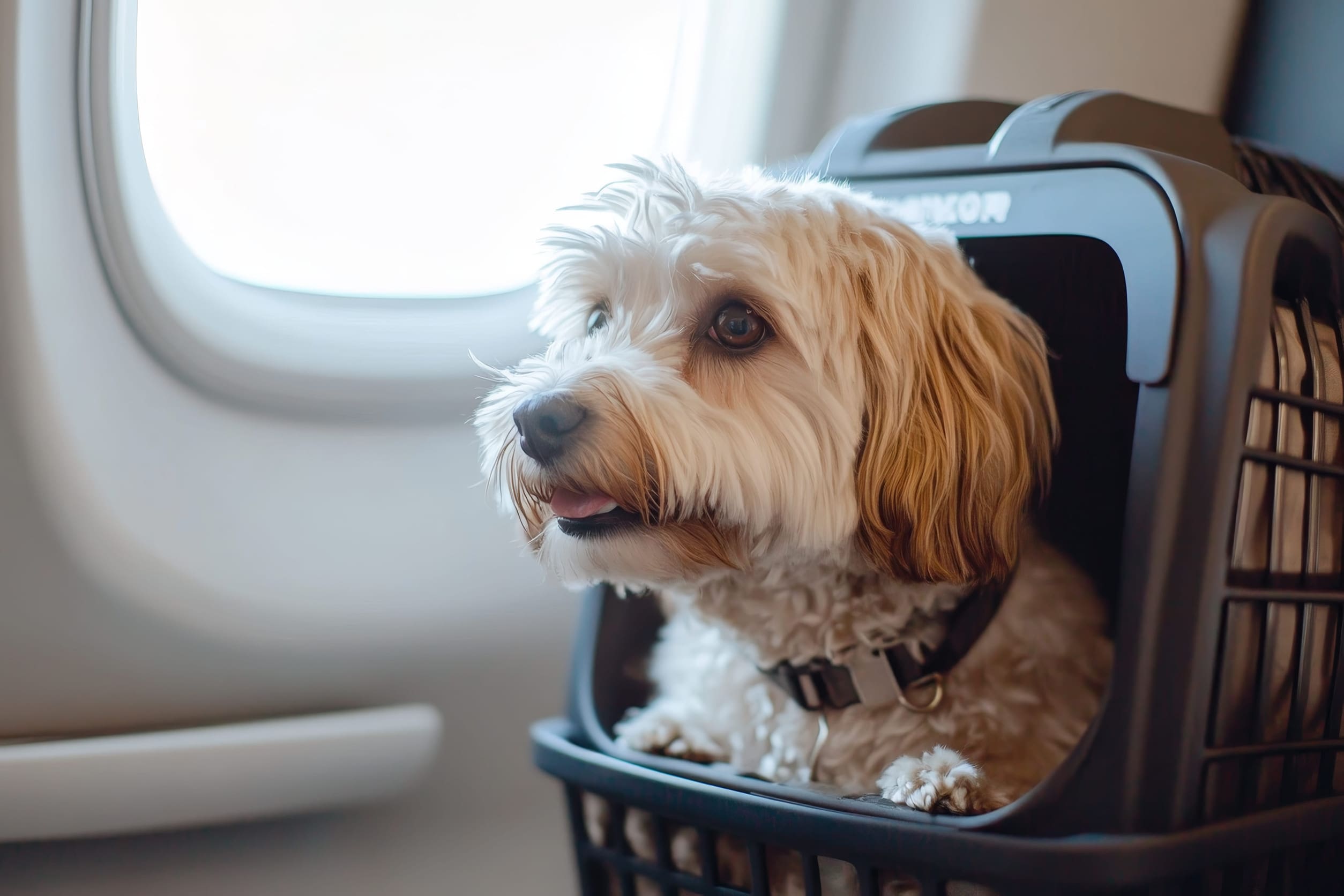
Can Emotional Support Dogs Fly? Final Verdict
While it’s beyond a reasonable doubt that emotional support dogs are therapeutic, life-saving companions, their air travel rights aren’t as clear-cut.
Emotional support dogs are no longer protected under the ACAA, meaning whether or not they can fly in-cabin is ultimately at the airline’s discretion. If they are accommodated on the plane, they are typically treated as pets. This means they must adhere closely to pet-related restrictions, fees, and other guidelines.