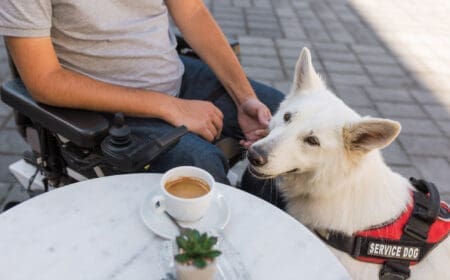


Getting a service dog can be life-changing for anyone who wants to live more freely and independently despite a physical, psychiatric, or medical disability.
When properly trained, a service dog can help you maintain routines, manage symptoms, and feel more in control of daily life. Their support enables fuller participation in work, school, and social activities.
Once you see how much a dog trained for assistance can improve your life, the next step is learning where to get a service dog and how the process works. There are several options, each with different timelines, costs, and responsibilities.
Where to Get a Service Dog: 3 Common Options
Below are the most common and legitimate ways people get a service dog.
1. Accredited Service Dog Organizations
The simplest way to get a service dog is through a nonprofit organization that specializes in training and placing service dogs. These organizations usually breed or carefully select dogs and train them for 1-2 years to meet strict behavior and task standards before matching them with applicants based on disability and lifestyle.
Some organizations focus on specific disabilities when training a dog for a service role. For example, if you need a service dog for depression, they’ll match you with one who’s trained to interrupt harmful behaviors, encourage movement, and offer calming contact during low periods.
Most of these organizations also offer follow-up support after placement to answer questions and ensure the handler and dog adjust well to working together over time.
Pros
- Dogs are health-screened, temperament-tested, and professionally trained
- Ongoing support is included
- Less responsibility during the early training stages
Cons
- Long waiting lists (often 1-3 years)
- Limited eligibility based on diagnosis or location
- Application processes can be detailed and demanding
2. Training Your Own Service Dog
The Americans with Disabilities Act doesn’t require service dogs to come from an organization or professional trainer. You’re legally allowed to train your own service dog. However, it isn’t as easy as it sounds, and it’s definitely not the best option for everyone.
You might want to consider owner-training if you already have a suitable dog and your disability allows you to manage physical handling, public outings, and extended training sessions. We don’t recommend this option for those with severe mobility limitations, cognitive impairments, psychiatric symptoms, or unpredictable medical events, such as seizures or fainting episodes.
You will need professional guidance throughout the process. Seek a private trainer with experience in service dog training, and keep in mind that the training can take 18 months to 2 years, even with professional help.
While it helps to have some knowledge of dog behavior and learning basics, service dog training isn’t always predictable, and there’s always a chance it may not work out for you and your dog.
Sometimes, issues only become noticeable as training advances. A dog that seems promising early on may struggle with temperament or develop behavioral challenges over time. If training isn’t done correctly, mistakes can delay progress for months.
Pros
- Working with a dog you already know and trust
- Full control over your dog’s training pace and daily schedule
- Training can be tailored to your specific disability and needs
- You build a strong bond with your dog throughout the training process
Cons
- Takes a significant amount of time, patience, and consistency
- Not every dog has the right temperament for service work
- Mistakes can delay progress or require retraining
- There’s no guarantee the dog will ultimately succeed as a service dog
3. Working With an Organization That Supports Owner-Training
Some service dog organizations have a “board-and-train” program, where your dog stays with the trainer for a period of time and receives focused training designed to prepare them for service work.
One advantage of this option is that it can shorten the timeline if you already have a dog that shows strong potential for service work. Instead of starting from scratch, your dog may move through training more quickly under professional supervision.
However, this process still takes several months and begins only after a thorough evaluation of your dog’s temperament, behavior, and ability to handle public environments.
It’s also important to understand that not every dog will qualify, even if they’re well-behaved or highly trained. Service work requires a specific combination of temperament, focus, and emotional stability. Some dogs aren’t suited to the demands of working in public or performing assistance tasks, no matter how much training they receive.
If you choose a board-and-train program, make sure you understand how your dog will be trained and how progress will be measured. Avoid organizations that rely on punishment-based or aversive training techniques, as these can create stress, fear, or long-term behavioral issues that interfere with service work.
Pros
- Your dog gets one-on-one training from experts in a controlled setting
- Training may be completed quickly if your dog already shows strong service potential
- You don’t have to handle every step of the training yourself (there will be a shared training period, though)
- Most programs include a transition period to help you learn how to work with your dog
Cons
- Not all dogs will qualify, even after assessment or initial training
- Training programs can take several months and may be costly
- Negative training methods can cause setbacks
Can You Buy a Service Dog?
You may see websites offering “service dogs for sale” with quick placement and guaranteed approval. If you need urgent support, these offers can sound tempting. However, there’s a good chance they’re a scam.
Unscrupulous sellers often charge thousands of dollars for untrained or poorly trained dogs while marketing them as “official” service animals. In many cases, these are ordinary pets that haven’t been taught any disability-related tasks.
These sellers may bundle fake ID cards, certificates, and vests to make the dog appear legitimate. Under the ADA, none of these items carries legal weight. There’s no official registry, no required certification, and no document that magically turns a dog into a service animal.
Once placed, a fake service dog may struggle in public, become fearful, or develop serious behavior issues. In some cases, they may bark, lunge, or react aggressively when overwhelmed. This leads to access problems, stricter enforcement, and growing skepticism toward legitimate service dog teams.
Make sure you take the time to research providers thoroughly and only trust reputable service dog organizations. Be especially cautious of programs that guarantee a service dog without a proper assessment. No ethical trainer or organization can promise that every dog will succeed.
You should also avoid online sellers that ship dogs without in-person matching or refuse to talk in detail about disability-specific tasks.
How to Begin the Service Dog Application Process
Here are the steps to follow once you decide you want a service dog:
Get Documentation From a Healthcare Provider
To qualify for a service dog program, a licensed healthcare provider needs to confirm that you have a disability that interferes with your day-to-day life. They’ll also determine if and how a service dog will mitigate the symptoms of your condition. You’ll then be provided with medical documentation that most service dog organizations require.
Choose the Right Training Organization
Make a list of trustworthy organizations and ask questions like:
- Do you work with applicants in my area?
- What type of service dogs do you place?
- What’s your process and wait time?
A legitimate organization should be transparent about how they train service dogs and what happens if a dog isn’t suited for service work. Most importantly, they’ll take time to assess both the dog and the handler before making any promises.
Submit Your Application
You’ll likely have to fill out a form and provide detailed information about your disability, daily challenges, living situation, and lifestyle. This will help the organization understand what kind of dog and training would be the best fit for you.
Some organizations include interviews, home checks, or phone calls as part of the process. Be honest and thorough at every step, and respond promptly to follow-up requests to prevent unnecessary delays.
Prepare for a Wait and Training Time
Service dog programs often have waiting lists. Training a service dog can take many months, or even over a year, from initial puppy raising through advanced task training to the final matching with a handler.
Even after placement, some organizations arrange shared training sessions, so you and the dog can learn to work together, build trust, and smoothly transition into daily life as a team.
Cost Considerations and Financial Help When Deciding Where to Get a Service Dog
While many nonprofits aim to provide dogs at little or no cost, training and placing service dogs is expensive (often tens of thousands of dollars). In addition to training, they invest in the dogs’ veterinary care, equipment, travel, and ongoing upkeep.
Some programs may charge a fee, while others ask for fundraising or donation support. If you need financial assistance, you might want to check out veteran programs, disability grants, and community fundraisers.
Know Your Rights About Service Dogs
Under the ADA, service dogs are allowed in public places, including restaurants, stores, and public transit. They’re also protected under the Fair Housing Act, which allows them to live with their handler in housing that may otherwise restrict pets. They can also fly with you in the cabin at no charge, provided they meet airline guidelines for service animals.
Businesses and public entities can’t demand certification or proof of a service dog. They’re only allowed to ask two questions:
- Is this dog a service animal required because of a disability?
- What work or task has the dog been trained to perform?
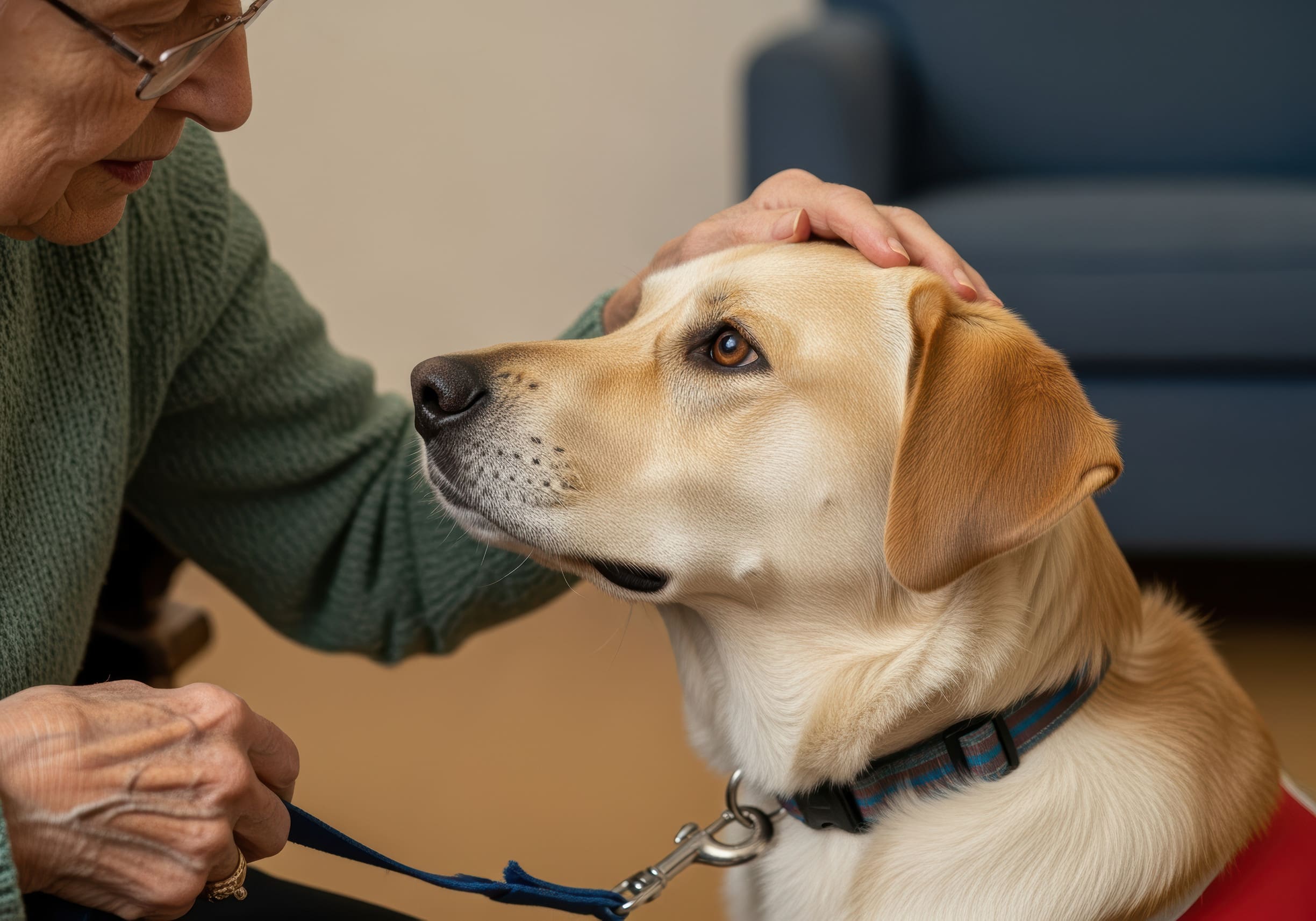
Where to Get a Service Dog: What’s the Best Way for You to Get a Service Dog?
There’s no “best” way to get a service dog. The most appropriate path depends on your disability and daily needs, your financial situation, your ability to train or handle a dog, and your timeline and support system.
For some people, working with a nonprofit organization offers the most peace of mind. Others may prefer owner-training or a hybrid program that allows greater involvement and flexibility.