

You may see a dog wearing a service dog vest and wonder why it’s allowed inside a public place where pets normally aren’t permitted, especially when the dog doesn’t seem to be doing anything at all. The handler looks fine, and the dog is just sitting at their feet, calm and still.
This can make anyone assume the rules are being bent and that the dog is just a well-behaved pet brought along. The misunderstanding usually stems from the belief that service dogs are needed only by people who use wheelchairs or have visible impairments. This couldn’t be further from the truth.
So, what do service dogs do? In short, they support a wide range of conditions that may or may not be related to a person’s mobility. Below, we explain the role of service dogs in detail.
What Do Service Dogs Do and What Qualifies Them?
Service dogs are working animals with important jobs. Under the Americans with Disabilities Act (ADA), a service dog must be trained to perform at least one meaningful task that directly assists with a person’s physical or mental impairment. Their purpose is to make life safer and more manageable for their handler.
If all a dog does is offer comfort by being present, they can’t qualify as a service animal. Service dogs can accompany their handlers in most public places, including stores, restaurants, airports, and workplaces, because their training enables them to behave well in public and stay focused on their tasks.
What Do Service Dogs Do? Tasks They Usually Perform
Every service dog’s job is different, depending on their handler’s specific disability and the challenges they face daily. Below are some of the most common categories of service dog tasks.
Mobility and Physical Support
Service dogs provide hands-on support for people with physical disabilities or limited mobility. Everyday tasks that might seem minor can be uncomfortable, difficult, or risky for these individuals without help.
A service dog can be trained to pick up dropped items like keys, wallets, or medications, so the handler doesn’t have to bend or reach. They may also be trained to open and close doors, press elevator buttons, and pull lightweight objects.
Many mobility service dogs also provide balance support while walking to prevent falls, especially on uneven surfaces. Some are also trained to assist with standing up from a chair or bed and moving safely between positions.
Over time, this kind of support reduces dependence on caregivers and gives people the freedom to navigate their surroundings and remain active with more confidence.
Sensory Support for Vision and Hearing
Sensory support service dogs help people with vision and hearing impairments stay aware of their surroundings.
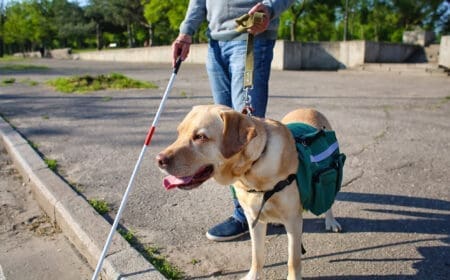
Guide dogs, in particular, help blind or low-vision individuals move safely by avoiding obstacles, stopping at curbs, and navigating stairs, crowds, and uneven surfaces while responding to verbal cues. These dogs have another skill called “intelligent disobedience,” which allows them to make judgment calls and ignore a command if following it would put their handler in danger.
On the other hand, hearing service dogs support people who are deaf or hard of hearing by alerting them to important sounds in their surroundings. When a doorbell or phone rings, an alarm sounds, or someone calls their name, the dog signals the handler through a trained physical cue and may lead them toward the sound.
Medical Alert and Response
Medical alert and response service dogs are trained to stay alert to their handler’s physical state at all times. They notice changes in scent, behavior, and movement that may signal an oncoming medical issue, such as low blood sugar or an impending seizure.
When these dogs detect something unusual, they alert their handler so action can be taken early. If a medical episode does occur, the dog may be trained to bring medication, seek help from another person, or remain beside the handler until it’s safe again.
Psychiatric and Emotional Support Tasks
Psychiatric service dogs perform various tasks to help reduce distress and manage symptoms for people dealing with emotional or mental health challenges.
For example, a psychiatric service dog may alert their handler to early signs of a panic attack so they can step away from a stressful situation or use coping techniques. Some dogs are trained to provide deep pressure therapy by applying gentle weight, which can help calm the nervous system during periods of anxiety.
Others may interrupt harmful behaviors or dissociative episodes, remind their handler to take medication, or guide them to a quieter, safer place when they feel overwhelmed. Some are even taught to wake a handler from nightmares. These trained responses significantly improve the lives of people struggling with PTSD, anxiety disorders, bipolar disorder, or depression.
Autism Support
Service dogs can provide meaningful support for children and adults on the autism spectrum. Autism affects communication, sensory processing, and how a person responds to their surroundings. In busy or unfamiliar environments, this can lead to stress, anxiety, or safety risks.
Autism support service dogs are trained to help manage these challenges. They stay close and react when a handler unexpectedly tries to flee. These dogs also help establish routines and make public spaces less stressful by encouraging social interaction.
You can also count on an autism support service dog to interrupt repetitive behaviors and provide physical grounding during emotional meltdowns.
How Are Service Dogs Trained?
Training service dogs is a long and intensive process. These dogs not only have to learn disability-related tasks but also how to behave appropriately in public. This involves ignoring distractions, staying focused under pressure, and interacting safely with a variety ofpeople and environments.
Training usually begins when the dog is still a puppy and continues for 1-2 years. Early sessions focus on socialization and basic obedience. After that, they move on to specialized training to learn the specific tasks that their future handler may benefit from.
While you can train your own dog to perform a service role with the help of a private trainer or online resources, many people prefer professional service dog organizations to handle everything.
The cost of professional training can range from $15,000 to $50,000+, depending on the trainer’s expertise and the complexity of tasks. This usually includes the pup’s breeding, upbringing, veterinary care, socialization, and task-specific lessons.
Some nonprofit groups help people, especially veterans, access trained service dogs at reduced cost or no cost. The waitlist, however, can be very long.
Service Dogs vs. Emotional Support and Therapy Animals: What’s the Difference?
It’s common to hear people use the terms service dog, emotional support animal (ESA), and therapy dog interchangeably. However, they perform very different roles.
Since service dogs are trained to assist people with disabilities by performing specific tasks, they have legal access to public spaces.
ESAs don’t perform trained tasks. They help by being present and offering emotional comfort. Therapy animals are also not service dogs. They usually work with organizations and visit places like hospitals, schools, and nursing homes to provide a sense of calm and companionship to many people at once.
Unlike service animals, emotional support and therapy animals don’t have the same access to public places.
Common Service Dog Breeds
There are no breed restrictions for service dogs. Any dog, whether large, small, purebred, or mixed, can become a service dog if it has the right temperament and training.
Nevertheless, some breeds are often preferred for service roles because of their intelligence, trainability, and steady temperament. These include Labrador retrievers, golden retrievers, German shepherds, poodles, and border collies.
It’s still important to consider the individual dog’s personality when choosing a service animal. Some dogs, regardless of breed, may struggle with distractions, anxiety, or public environments. You’ll have to consider whether the dog’s temperament matches the demands of daily service work and your lifestyle.
Tips if You’re Considering a Service Dog
To legally get a service dog, you must have at least one of the qualifying disabilities that can significantly affect your daily life.
It’s also important to figure out whether the dog’s presence and the tasks they perform would truly help manage your symptoms. This usually involves speaking with a healthcare provider who understands your condition and can help confirm that a service dog is appropriate for you.
Next, if you don’t already have a dog or don’t want to train one yourself, find a reputable service dog organization that specializes in specific tasks or conditions. They’ll match you with a dog whose temperament and training align with your lifestyle and needs.
It’s also important to remember that even a fully trained service dog requires long-term care and guidance. You’ll still be responsible for daily exercise, grooming, veterinary care, and ongoing training.
Connecting with other people who have service dogs is a good idea because you can learn from their real-world experience.
Do Service Dogs Need Official Certification?
Under U.S. law, a service dog does not require any government-issued certification, ID card, or paperwork to be considered legitimate.
The most important thing is that the dog is trained to assist a person with a disability. If asked, the handler should be able to explain what their dog does to help them. They are not required to share their diagnosis, show paperwork, or prove registration.
What Do Service Dogs Do? A Conclusion
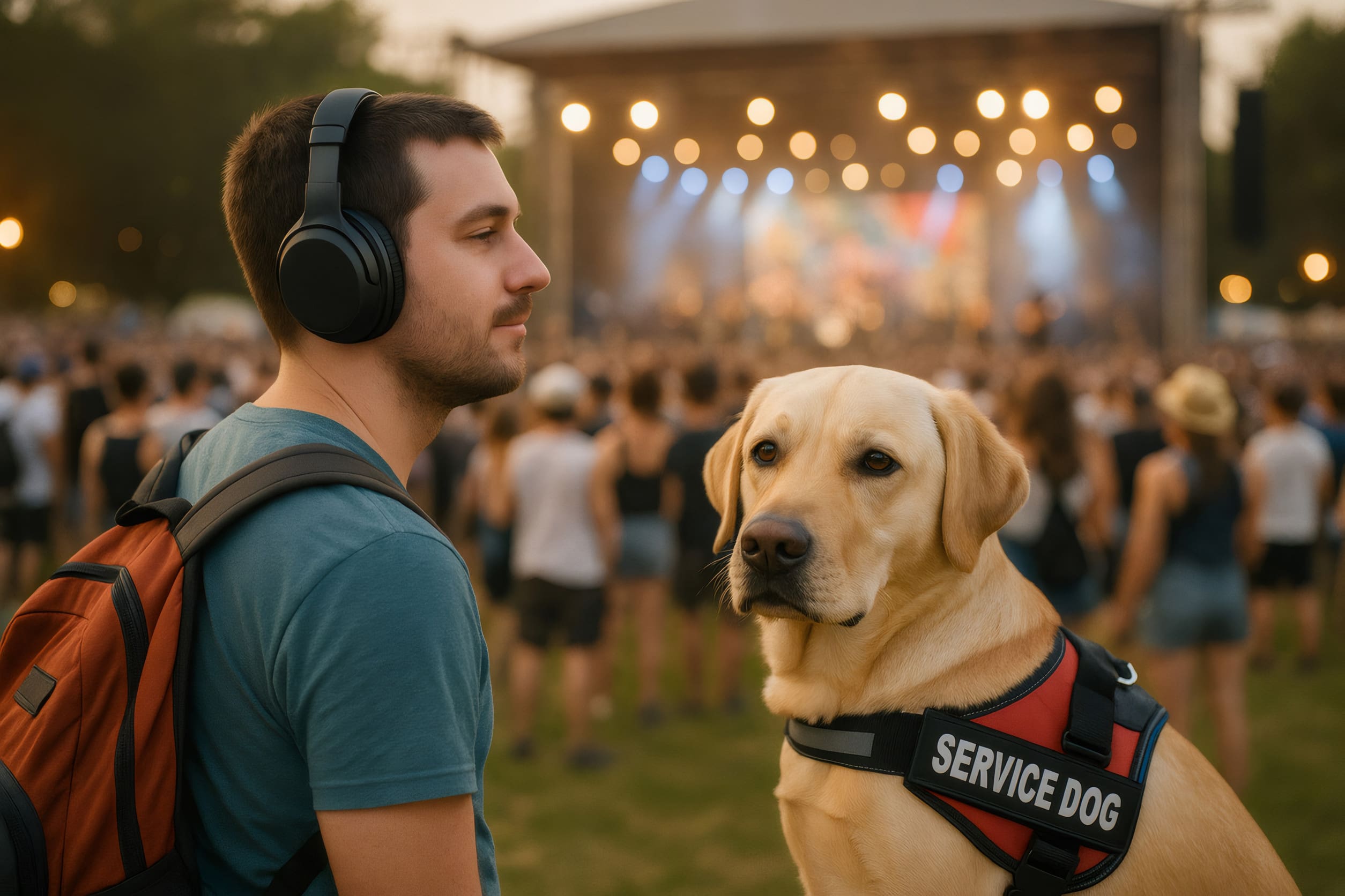
Service dogs don’t always look like they’re working, but that doesn’t mean they aren’t. Their training teaches them to remain calm and unobtrusive unless their handlers need them. If you see one in public, never question why they belong there or what disability the handler has. Not all disabilities are visible, and assistance can take many forms.
More importantly, service dogs shouldn’t be petted, called, or interacted with while they’re working, no matter how friendly they look. Giving them space allows them to stay focused and do the job they’re trained for.