

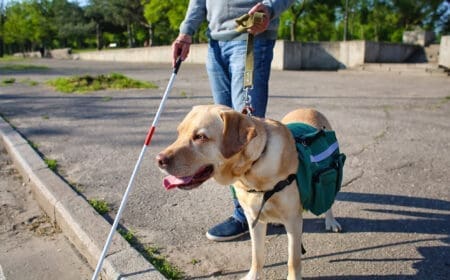


Service animals help support individuals with disabilities, enable them to be more independent, and improve the overall quality of their lives. These animals are often categorized into various roles, depending on the kind of support they offer.
Having said that, it is essential to understand the different types, how they are trained, and the legal protections each receives before deciding which one is best suited to you or a loved one.
This comprehensive guide provides families, caregivers, and professionals with practical information about service animals, their uses, and how to choose the right support.
Introduction to the Types of Service Animals
A service animal is one trained to perform specific tasks for a person with a disability, which may be physical, psychiatric, neurological, medical, or sensory in nature. Service animals go beyond being companions in that they are trained to mitigate the effects of a disability, enabling their handlers to navigate daily life with confidence.
Each category of service animals caters to a specific disability, making it paramount to understand the capabilities and training that each type requires. While guide dogs assist with visual impairments, seizure response dogs provide critical safety interventions.
This guide explores what service animals are, distinguishes them from emotional support animals (ESAs) and therapy animals, and explains the primary tasks they perform. It also details training and legal protections, costs and funding options, and offers advice on choosing the right animal.
Service Animals vs Other Animals
The Americans with Disabilities Act (ADA) defines a service animal as “a dog that is individually trained to do work or perform tasks for a person with a disability.” Each task performed is directly related to the disability, with an emphasis on the fact that they are not pets and must be well-behaved, especially in public settings.
It is crucial to distinguish service animals from other types of animals:
- Emotional Support Animals (ESAs): Provide comfort through companionship but are not trained to perform specific tasks related to a disability. ESAs do not have public access rights under the ADA.
- Therapy Animals: Visit hospitals, schools, and institutions to provide comfort and support, but are not trained for ongoing disability-related tasks.
- Pets: Offer companionship and may provide emotional benefits, but are not legally recognized as service animals and do not perform disability-related tasks.
Common misconceptions include believing that any trained animal qualifies as a service animal or that ESAs have the same public access rights. These distinctions are crucial for ensuring legal compliance and for understanding the capabilities of a service animal.
Primary Types of Service Animals
Service animals are highly specialized and trained to meet specific needs related to a disability. The following are the most common types of service animals.
Guide Dogs (for Vision Impairment)
Guide dogs assist individuals who are blind or those who have low vision – essentially anyone with visual impairments. They help by leading safely through public spaces, navigating around obstacles, and through traffic.
These dogs enable their handlers to move safely and independently while also providing companionship and emotional support. Guide dogs must be accompanied by a handler who is familiar with mobility skills, and overall effectiveness depends on environmental familiarity.
Hearing Dogs (for Deaf/Hard of Hearing People)
Hearing alert dogs are trained to notify their handlers of important environmental sounds. They benefit individuals with significant hearing loss by alerting them to doorbells, alarms, timers, phones, or approaching vehicles.
However, these dogs cannot interpret the content of verbal communication; they simply alert the handler to the presence of a sound, and the handler must then respond appropriately.
Mobility Assistance Dogs
Mobility assistance dogs support individuals with physical disabilities that affect movement. They benefit people with conditions such as paralysis, muscular dystrophy, spinal cord injuries, or other mobility challenges by performing tasks like retrieving items, opening doors, pushing buttons, providing balance support, and assisting with transfers between wheelchairs and other surfaces.
However, these dogs are trained for tasks specific to their handler’s mobility needs and may not be equipped to assist with complex medical interventions.
Psychiatric Service Dogs
Psychiatric service dogs assist individuals with mental health disabilities, including PTSD, anxiety disorders, and severe depression.
They benefit veterans, adults, and children with psychiatric conditions by performing tasks such as interrupting anxiety or panic behaviors, providing grounding during distressing episodes, reminding handlers to take medication, and alerting to signs of emotional dysregulation.
However, their effectiveness largely depends on the handler’s active engagement and consistent reinforcement of training.
Seizure Response Dogs
Seizure response dogs support individuals with epilepsy or other seizure disorders before, during, and after seizure episodes. Some dogs can alert their handlers to oncoming seizures, while others are trained to maintain safety during a seizure, retrieve help, and provide grounding support during the postictal recovery phase.
It’s important to note that not all dogs possess the ability to predict seizures, and effective task performance requires professional, specialized training.
Autism Service Dogs
Autism service dogs work with children and adults on the autism spectrum to address safety, sensory, and social challenges. They benefit individuals with autism spectrum disorder by performing tasks such as interrupting repetitive behaviors, preventing wandering or elopement, providing deep pressure therapy during moments of distress, and serving as a calming presence in overwhelming situations.
As autism manifests differently in each person, the training for these dogs must be highly individualized to meet the handler’s specific needs.
Diabetes Alert Dogs
Diabetes alert dogs are trained to detect changes in blood glucose levels through scent. They assist people with type 1 or type 2 diabetes who experience dangerous episodes of hypoglycemia or hyperglycemia by alerting their handler before glucose levels reach dangerous extremes and retrieving glucose supplies or medication when needed.
However, these dogs require ongoing reinforcement training to maintain their alerting accuracy and reliability.
Allergy Detection Dogs
Allergy detection dogs are trained to identify allergens in food or the surrounding environment. They benefit individuals with severe, life-threatening allergies by alerting to the presence of substances like peanuts, gluten, or other specific allergens in food or nearby areas.
It is crucial to note that these dogs are not a replacement for personal vigilance, as environmental factors such as air currents or contamination can affect detection accuracy.
Medical Response Dogs
Medical response dogs assist individuals with chronic conditions such as heart disease or fainting disorders. They benefit people with life-threatening medical conditions that require rapid response by alerting to early symptoms, retrieving necessary medication, or activating emergency assistance systems.
These dogs are trained for specific tasks related to their handler’s condition and may not be equipped to respond to all types of medical emergencies.
Other Recognized Categories
Service animals also include dogs trained for ADHD support, movement assistance, or rare medical conditions requiring specific interventions.
How Service Animals Are Trained
Service animals undergo rigorous, structured training, typically lasting 18–24 months:
- Selection and Puppy Raising: Puppies are selected for temperament and socialized in everyday environments.
- Task Training: Dogs learn specific disability-related tasks, such as mobility support or seizure response.
- Public Access Training: Dogs must behave appropriately in public settings, ignoring distractions and maintaining focus on the handler.
- Handler Training: Handlers learn to work with the dog, reinforce tasks, and maintain training over time.
Specialized training ensures that service animals can perform reliably under real-world conditions and that handlers are equipped to manage the partnership effectively.
Legal Protections for Service Animals
Service animals enjoy legal protections under U.S. law:
- Americans with Disabilities Act (ADA): Service animals are allowed in public spaces, including restaurants, stores, workplaces, and schools.
- Airline Travel (Department of Transportation): Airlines are required to accommodate service animals, though documentation and advance notice may be required.
- Housing (Fair Housing Act): Service animals cannot be denied in housing with no-pet policies, and housing providers cannot charge pet fees.
Misunderstandings often arise, such as confusing ESAs with service animals; awareness of legal rights is critical for handlers and the public.
Choosing the Right Type of Service Animal for Your Needs
Choosing a service animal involves evaluating the individual’s disability, lifestyle, and tasks required.
Considerations include:
- Needs Assessment: Identify functional limitations and tasks the animal must perform.
- Provider Questions: Ask about training methodology, follow-up support, and public access preparation.
- Matching: Select a dog whose temperament and training align with the handler’s needs.
Costs and Funding Options for Service Animals
Professional service animals typically cost $20,000–$50,000, covering training, public access certification, and handler education. Ongoing costs include food, veterinary care, and gear.
Funding options:
- Nonprofit support and placement programs
- Grants and scholarships
- Community fundraising
- Tax deductions for disability-related expenses (consult a tax professional)
- Some programs offer subsidized placements for qualified applicants
Service Animal Challenges and Misconceptions
Even with professional support, challenges exist:
- Public Access Misunderstandings: Not all businesses understand service animal laws.
- Fraud: Beware of uncertified “service animal” providers or fake certifications.
- Handler Preparation: Training, public exposure, and ongoing reinforcement are essential for success.
Addressing these challenges involves education, realistic expectations, and support networks.
Key Takeaways on the Types of Service Animals
Service animals are highly trained partners that provide vital assistance to individuals with disabilities. Understanding the types, training requirements, legal rights, and practical considerations is essential for families, caregivers, and professionals.
By evaluating needs carefully, researching reputable training programs, and planning for costs and ongoing care, individuals can select the service animal best suited to their life. With the right support, a service animal can significantly improve safety, independence, and quality of life, offering both practical help and emotional reassurance.