

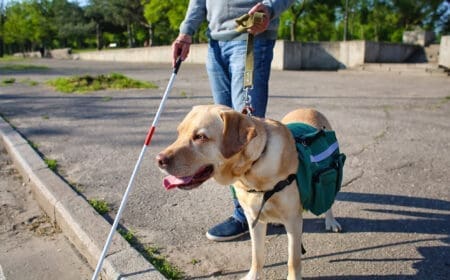


Epilepsy falls under the broad spectrum of seizure disorders that affects millions of individuals in the United States alone. The conditions often range from brief, subtle lapses in awareness to prolonged episodes that require medical intervention. Treatment typically involves medication and regular check-ups; however, many individuals seek additional support options, one of which is a service dog for seizures.
This comprehensive guide explains what seizure service dogs are, who may benefit from them, how they are trained, the legal rights involved, costs and funding options, and what to consider before getting one.
What Is a Service Dog for Seizures?
According to the Americans with Disabilities Act (ADA), a service dog is one that has been individually trained to perform specific tasks to benefit an individual with a disability. The tasks must be directly related to the person’s disability, and the dog must behave appropriately in public settings.
A seizure service dog falls under the category of service dogs trained to assist an individual with seizure disorders by implementing tasks that help mitigate the effects or risks of seizures. The tasks aren’t limited to:
- Seizure Alerting: Alerting the handler or caregiver before a seizure begins, based on subtle physiological cues.
- Seizure Response: Safely positioning the person, retrieving help or medication, or activating an alert system if a seizure occurs.
- Safety Monitoring: Staying close and preventing injury during an episode.
- Postictal Support: Providing grounding and reassurance after a seizure when the person may feel disoriented.
It is important to differentiate a service dog from other animal roles. While emotional support animals (ESAs) provide comfort through companionship, they are not trained to perform tasks related to a disability. ESAs do not have the same public access rights as service dogs.
Therapy dogs, on the other hand, provide support in clinical or institutional settings, but are not trained for ongoing disability support. Pets offer companionship and may improve well-being, but do not perform disability-related tasks.
Service dogs perform specific, trained tasks that directly help a person with a medically recognized disability.
Who Might Benefit From a Service Dog for Seizures?
Seizure disorders, including epilepsy, cause recurrent, unprovoked seizures and are classified as neurological conditions. Seizures typically vary in severity, frequency, and type. A seizure service dog helps individuals with frequent, unpredictable, or prolonged seizures, particularly the kinds that pose risks of injury, social isolation, or loss of consciousness.
Common challenges associated with seizure disorders include:
- Unpredictability: Not knowing when a seizure will occur can lead to fear, anxiety, and limitations in activities.
- Safety Risks: Falls, injuries, and complications during or after seizures are concerns.
- Social Impact: Individuals may withdraw from social or community engagement due to embarrassment or fear of a public event.
- Independence Challenges: Daily routines, school, work, and travel can be affected by the risk and impact of seizures.
Situations Where a Service Dog Can Help
Seizure service dogs can be helpful for individuals who experience frequent or complex partial seizures or those who have difficulty recognizing seizure onset. Patients who live alone or those who require additional layers of safety or support beyond medications can also benefit from a service dog.
Age-Related Considerations
Service dogs may be valuable for both children and adults:
- Children: Dogs can provide safety monitoring, help reduce injury risk, and support confidence in school and social settings.
- Adults: Dogs can increase independence in work, travel, and personal routines.
- Older Adults: Service dogs can support ongoing safety and reduce caregiver burden, especially when mobility concerns overlap with seizure risk.
However, not every person with a seizure disorder needs or benefits from a service dog. Medical, functional, and lifestyle assessments help determine whether a service dog is appropriate.
How Service Dogs Are Trained for Seizure Support
Training a seizure service dog is a structured process that can take around 18–24 months or even longer. It typically includes rigorous selection, socialization, task training, public access preparation, and handler training.
Puppy Raising and Temperament Screening
Prospective service dogs are assessed for temperament, with traits such as calmness, sociability, and focus being determining factors. Puppies start off in volunteer homes where they are socialized to everyday environments.
Task Training
Once basic temperament and obedience are established, professional trainers introduce task-specific training:
- Teaching the dog to recognize subtle cues (in dogs capable of seizure alerting).
- Positioning a person safely during a seizure.
- Retrieving an emergency communication device or mobile phone.
- Maintaining close physical presence to reduce injury.
- Providing grounding support after a seizure.
Public Access and Behavior Training
Service dogs must behave appropriately in a wide range of environments, including restaurants, public transportation, workplaces, schools, and outdoor venues. A service dog must remain calm, focused, and under control at all times.
Handler Training
Equally important is handler training. The person with a seizure disorder (and sometimes a caregiver) must learn how to reinforce positive behaviors, how to cue and reward the dog, how to manage the dog in public, and techniques for maintaining ongoing training.
Seizure Alert vs. Seizure Response
Not all service dogs are trained to detect seizures before they occur. Alerting requires the ability to recognize subtle physiological changes, and while some dogs appear capable of this skill, scientific evidence is limited, and the training is highly specialized. Response training, which is assisting the handler during and after a seizure, involves more clearly defined tasks and is more commonly taught.
Benefits of Seizure Service Dogs
There is a growing body of evidence and family‐reported outcomes related to seizure service dogs:
Safety and Risk Reduction
Service dogs trained to respond during seizures can help in numerous ways, including reducing the risk of injury by maintaining steady body positioning and fetching help or notifying caregivers.
Emotional and Behavioral Support
While not emotional support animals by definition, seizure service dogs have been known to provide a calming presence. They can also help reduce anxiety associated with the unpredictability of seizures. These dogs enable individuals to feel more comfortable participating in daily routines.
Research and Organizational Insights
Organizations such as the Epilepsy Foundation report many handlers experiencing improved confidence and a sense of security with a trained service dog. Clinical studies are emerging that suggest service dogs may improve quality of life, independence, and social engagement. While results vary by individual, many caregivers and handlers describe a significant positive impact.
Costs and Funding Options for a Seizure Service Dog
Professionally trained seizure service dogs typically cost between $20,000 and $40,000 or more. This price generally covers puppy raising, professional task and public access training, and handler training and support.
After placement, families should budget for ongoing expenses, including food, supplies, veterinary care, grooming, equipment such as harnesses and leashes, and continued training reinforcement to maintain the dog’s skills.
Funding Assistance
As costs can be prohibitive, many avenues of support exist:
- Nonprofit Assistance: Some organizations subsidize or sponsor placements.
- Grants and Scholarships: Service dog funding programs exist for qualifying applicants.
- Fundraising: Families often use community fundraising platforms.
- Tax Deductions: Handler families may be eligible to deduct disability-related expenses, including service dog costs, under IRS rules (consult a tax professional for guidance).
- Insurance: Most health and disability insurance plans do not cover service dog training costs, but always verify with providers.
How to Get a Service Dog for Seizures
The following steps walk you through the process of obtaining a seizure service dog:
- Medical Documentation: Obtain documentation confirming the diagnosis and functional limitations that a service dog could mitigate.
- Research Training Programs: Compare programs based on training approaches, waitlist times, costs, and support.
- Application: Submit an application that may include medical information, lifestyle assessments, and references.
- Waiting List: Many programs have waitlists. Plan ahead and stay in communication with the provider.
- Handler Training: Engage in required handler training, which may take place before or after placement.
- Placement: Once paired, continue ongoing training and reinforcement with professional support.
This comprehensive guide covers the process of obtaining a service dog.
Common Service Dog Challenges and How to Address Them
Service dogs are not a quick fix; the challenges include:
Wait Times
Professional programs often have long waiting lists. Consider applying to multiple reputable organizations and maintain regular communication.
Training Maintenance
A service dog requires reinforcement of skills throughout its working life. Ongoing support from trainers and consistent practice are essential.
Behavior and Public Access Stress
Even trained dogs can encounter challenging situations. Practice coping strategies, gradual exposure, and partner with trainers when challenges arise.
Support Networks
Connecting with other seizure service dog handlers and support groups can provide shared advice, emotional support, and community resources.
Service Dogs for Seizures: Final Thoughts
A service dog for seizures offers meaningful assistance to individuals with seizure disorders by performing trained tasks that enhance safety, independence, and quality of life.
They are distinct from emotional support animals and pets, governed by ADA protections, and must be trained for specific tasks related to disability support. While obtaining a service dog requires planning, commitment, financial resources, and ongoing care, the benefits for appropriate candidates can be profound.
If you or a loved one is considering a seizure service dog, start with medical documentation, research reputable training programs, and prepare for a journey that integrates training, partnership, and support. With informed choices and realistic expectations, a service dog can be a powerful ally in managing seizure-related challenges.