



Post-Traumatic Stress Disorder (PTSD) is a psychiatric condition that occurs after an individual has experienced one or more traumatic situations. It’s normal to feel stressed, on alert, and fearful after a traumatic event. However, for those with PTSD, these feelings last long after the event and can make every day feel like a futile battle. It can cause debilitating symptoms such as nightmares, intrusive thoughts, panic attacks, and flashbacks.
Fortunately, there is an array of therapeutic interventions that can help those with PTSD better manage their symptoms and reclaim control of their lives. One increasingly popular form of treatment is a PTSD service dog.
In this post, we’ll delve further into PTSD service dog tasks to ensure you can make an informed decision on whether this treatment is right for you. We’ll also discuss everything else you need to know, including their legal rights and how to adopt a service dog.
PTSD Service Dog: Must-Know Basics
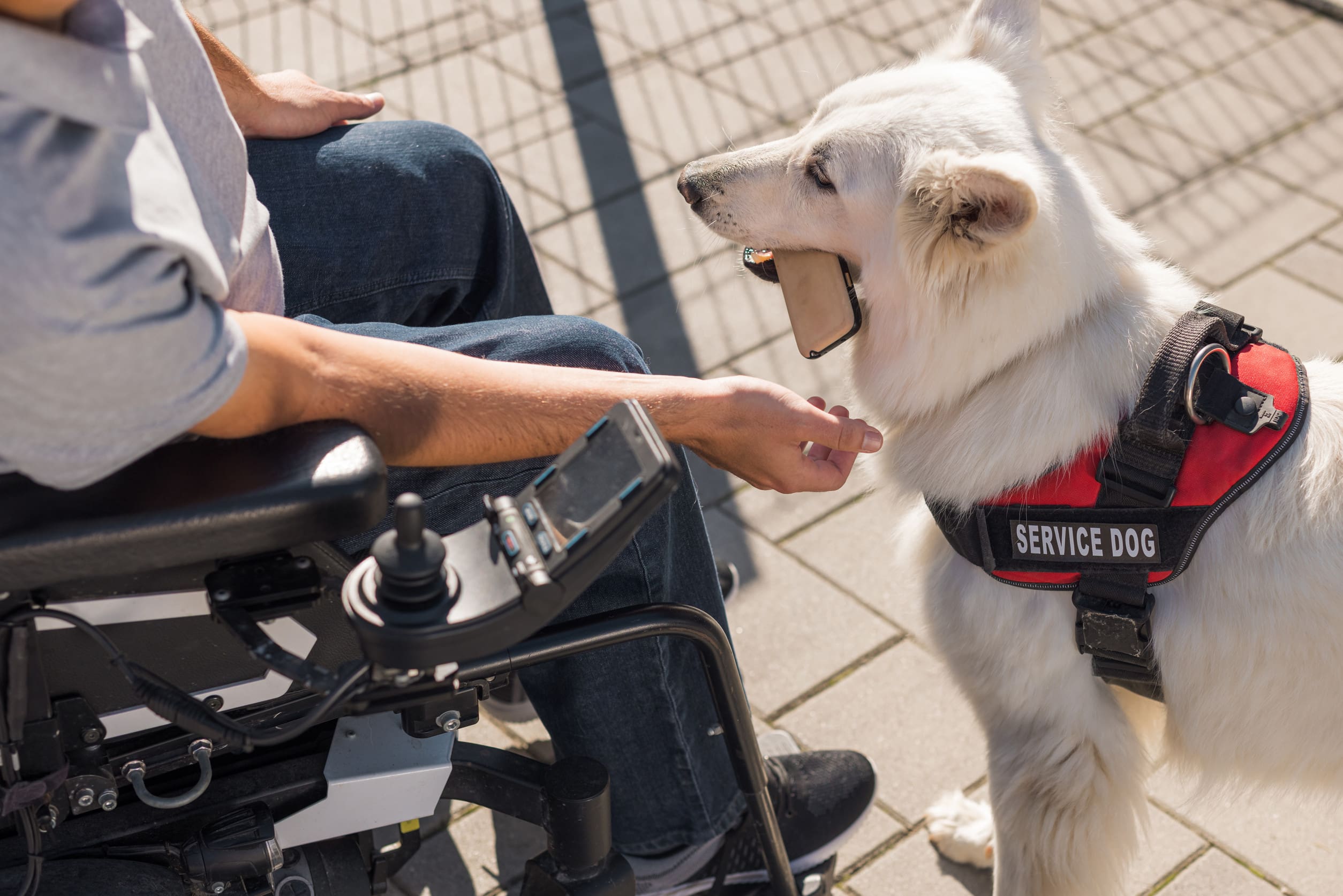
A PTSD service dog is a working animal that has been specially trained to perform tasks that ease PTSD-related symptoms. The exact tasks will depend on their handler’s needs, and can include practical tasks that offer physical support, such as offering balance assistance, or even tasks that provide emotional support or prevent the onset of panic attacks.
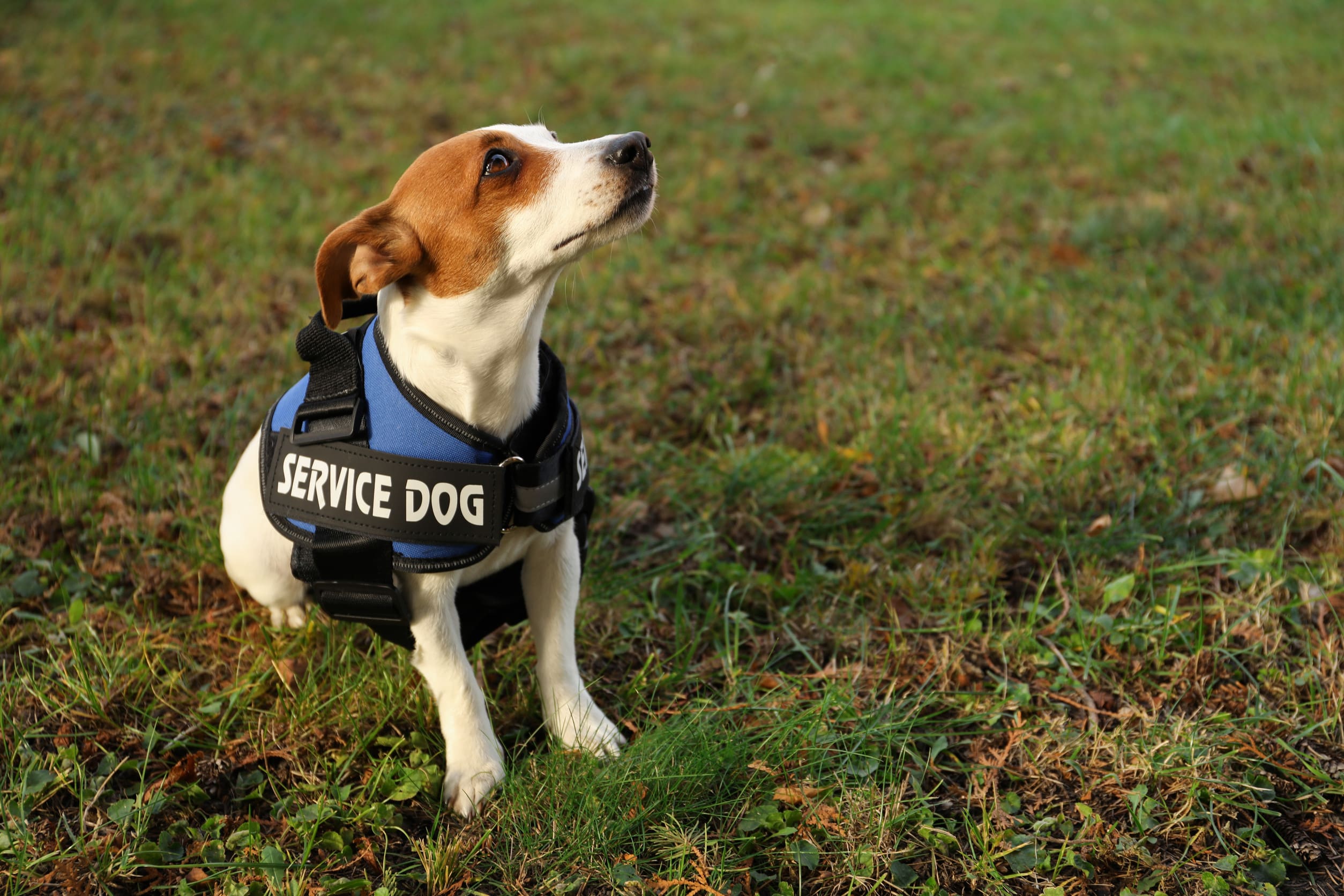
Any dog, no matter their age, size, or breed, can become legally classified as a PTSD service dog. The only requirements are that they’re able to perform at least one task that relieves symptoms, and can be kept under control at all times (i.e., not cause a disruption or endanger others).
PTSD service dogs are protected under federal laws such as the Americans with Disabilities Act (ADA) and Fair Housing Act (FHA). They must be reasonably accommodated within public settings, the workplace, and in rental properties. This even includes places with strict no-pet policies. They are also exempt from pet-related fees and breed restrictions.
Several states have also passed legislation to extend their protections further. For instance, in Alabama, PTSD service dogs in training are also granted public access rights. You can learn more about PTSD service dog rights in our in-depth guide.
PTSD Service Dog Tasks: A Close Look
While a PTSD service dog’s tasks will be unique to each handler, below are some common examples of tasks a PTSD service dog can be taught to perform. These tasks can help reduce the severity of symptoms, provide a sense of security, and offer life-changing comfort and reassurance.
Deep Pressure Therapy
Deep pressure therapy, or DPT, involves a PTSD service dog strategically placing their body weight onto their handler’s own body. This sensory feedback essentially serves the same purpose as a weighted blanket. It provides a calming, soothing sensation and helps ground the individual during times of disassociation or panic.
A service dog can be taught to perform deep pressure therapy on cue, or to recognize when their handler is becoming overwhelmed (such as heightened anxiety or a flashback).
Tactile Stimulation
Similar to deep pressure therapy, tactile stimulation is a technique where a service dog applies gentle pressure to help their handler focus on the present moment rather than inner emotional turmoil. This may involve licking their handler’s hand, nudging them, or gently tugging on their sleeve.
Interrupt Self-Injurious Behaviors
Some people with PTSD may use self-harming behaviors as a coping mechanism. A PTSD service dog can be trained to interrupt these behaviors by redirecting their handler’s focus, such as giving alerts, encouraging them to play, or strategically nudging their hands away. They can also be trained to retrieve items that provide their handler a healthier, safer way of managing distress.
Search the Room
People with PTSD are often hypervigilant and struggle to enter unfamiliar spaces without feeling overwhelmed at the possibility of potential dangers. A service dog can help ease this fear by entering a room first and performing a search. They will then let their handler know whether the room is safe for them to enter.
A PTSD service dog can also be trained to make the space more manageable and comfortable for their handler, such as switching on (or locating) room lights and ensuring doors are kept open.
Wake From Nightmares
Nightmares are a common (and often debilitating) symptom of PTSD. A service dog can be trained to recognize the signs that their handler is experiencing a distressing dream and wake them from it immediately. They can then be trained to perform calming and comforting techniques. This helps to ensure the nightmare’s effects are short-lived and don’t disrupt their handler’s sleep any further.
Medication Reminders
Many people with PTSD are prescribed medications to help them better cope with PTSD symptoms like anxiety, insomnia, and low mood. These medications must be taken on time to ensure their effectiveness and to prevent withdrawal symptoms from arising.
A PTSD service dog can help their handler keep to a medication routine by prompting them to take their medication at consistent times throughout the day. They may achieve this by alerting them with a specific behavior or sound, or simply retrieving the medication for them.
Noise Alerts
Individuals with PTSD may struggle to distinguish crucial sounds when they’re dissociated or in the midst of a panic attack. A PTSD service dog can be taught to alert them to important noises, such as the doorbell, a fire alarm, or a phone ringing, and guide them accordingly.
Medical Crisis Assistance
A PTSD service dog can be trained to perform several tasks to help their handler during a medical crisis. This can include getting help from outside, using a device to alert services to the situation, or retrieving essentials like water, medication, or a medical kit. They can also be trained to answer the doorbell and use a knob-to-lever device to let emergency personnel enter the home.
Balance Assistance
Symptoms of terror, panic, or disassociation can cause an individual with PTSD to become unsteady on their feet and potentially fall and injure themselves.
A service dog can help prevent this by positioning their body strategically to offer balance assistance and steady them. They can also help their handler navigate steep steps and lead them around obstacles when they’re unable to focus on their positioning themselves.
Circling (Crowd Control)
A PTSD service dog can strategically create space for their handler in crowded, busy environments, helping to ease feelings of anxiety and hypervigilance that may come from navigating these areas. They achieve this by positioning their body in a way that helps to stop people from getting too close, often by circling around their handler. They may also gently nudge strangers out of the way.
Cover
A service dog can be trained to provide “cover” and watch their handler’s back or blind spots when they’re out and about in public. This can help their handler feel confident enough to explore new areas or carry out day-to-day responsibilities, such as visiting the bank or using public transport to get to work.
Other Ways a PTSD Service Dog Can Help
While a PTSD service dog’s primary job is to perform symptom-relieving tasks, they can offer support and ease emotional turmoil in various other ways. For instance, many people with PTSD find it challenging to live alone due to the fear of being attacked. A service dog’s constant companionship can help ease this fear and allow their handler to feel safe, secure, and comfortable within their home.
Other ways a PTSD service dog can help include:
- Ease loneliness
- Help their handler stick to a consistent routine
- Give them a strong purpose in life (e.g., their service dog is dependent on them for feeding, exercise, grooming, and more)
- Encourage their handler to exercise regularly
- Improve social connection
How to Adopt a PTSD Service Dog
If you believe that a PTSD service dog will help you better manage your symptoms, the first step is to find out whether you are eligible.
To qualify for a PTSD service dog, you must have been officially diagnosed by a licensed healthcare professional and your symptoms must be debilitating (i.e., your condition hinders at least one or more major life activity). You must also have the capacity to properly care for an animal independently, as well as the living space to accommodate them.
It’s important to schedule an appointment with a healthcare professional to discuss your eligibility and all possible treatment options. You can also reach out to our team of experts for further guidance. Your information will be kept confidential, and they’ll be able to provide advice personalized to your needs and circumstances.
If you qualify, the next step to adopting a PTSD service dog is to reach out to a dedicated PTSD service dog organization. There are several operating throughout the US, and they provide trained service dogs to those in need. However, be mindful that these organizations can have long waiting lists and stringent application procedures. Some may also charge hefty fees.
An alternative is to adopt a dog with a suitable temperament and train them to be a service dog yourself. While any breed can fulfill the role, they should be adaptable, easy to train, and able to stay focussed and composed in busy, unpredictable environments. Again, our team of experts can advise you on which service dog route is best for your specific needs, so don’t hesitate to get in touch.
Learn More About PTSD Service Dog Tasks
While we’ve given an overview of the most common PTSD service dog tasks, there are plenty more ways they can help alleviate debilitating symptoms. Their companionship alone can also help to bring joy, a sense of duty, and connection, as well as a strong sense of security.
To find out more about PTSD service dog tasks, remember to reach out to a healthcare professional or schedule a call with our team today.