




When one thinks of a service dog, the first image that probably comes to mind is a working dog helping an individual with a physical impairment navigate around obstacles and travel safely. While service dogs are commonly used to assist those with physical disabilities, they can also be trained to help those with mental health disorders and neurodevelopmental disabilities. This includes attention deficit hyperactivity disorder (ADHD).
Service dogs can provide immeasurable therapeutic support for those with ADHD, helping them to gain more control over their day-to-day lives and experience some relief from debilitating symptoms. In this guide, we’ll cover more about what a service dog for ADHD is and how they can help.
What Is a Service Dog?
A service dog is a working dog trained to perform tasks that ease disability-related symptoms. Their trained tasks help their handler effectively manage their daily responsibilities and obligations, and ultimately lead a more independent, fulfilling life.
Any dog, regardless of breed, size, or age, can become recognized as a service dog. The only requirement is that they perform at least one disability-related task. Service dogs are also protected federally under legislation such as the Americans with Disabilities Act (ADA) and Fair Housing Act (FHA). These laws exist to ensure they can perform their life-changing role effectively, whenever and wherever, and without disruption or facing discrimination.
The exact tasks they carry out will depend on their handler’s needs. For instance, a service dog may alert a deaf individual to important sounds or an individual with diabetes to changes in blood sugar levels.
How Can a Service Dog for ADHD Help?
ADHD is a neurodevelopmental disorder that can make it harder for an individual to maintain their focus, regulate their emotions, and/or manage impulsive behaviors. Many individuals with ADHD also experience hyperactivity, which often presents as restlessness and acting as “driven by a motor.”
The symptoms of ADHD can vary in severity, though they can cause significant distress and impede an individual’s quality of life. While ADHD can often be managed with stimulant medication and therapy, a service dog is another form of effective treatment available to those with ADHD.
A service dog for ADHD is often trained to help their handler keep their focus on track, alleviate anxiety, and stay on top of important deadlines and their medication schedule. We’ll cover more about the ways service dogs can help individuals with ADHD below.
Medication Reminders
A service dog for ADHD can be trained to remind their handler to take their medication at specific times, often through nudging, barking, or retrieving their medication bag for them. This helps to ensure their handler doesn’t miss a dosage and sticks to a consistent schedule, minimizing the chances of adverse effects.
Item Retrieval
In addition to medication, service dogs can also be taught to retrieve a range of other items to help their handler focus and better manage symptoms. They can be taught, for instance, to retrieve fidget toys, water, or snacks.
Many individuals with ADHD often misplace important items like their keys, wallet, and cellphone. A service dog can help with this by finding and retrieving these items for them. They can also be taught to alert their handler to remember to take these items with them before they leave the house.
Deep Pressure Therapy (DPT)
Many individuals with ADHD struggle with emotional regulation, which can manifest as meltdowns, anxiety, and panic attacks. A service dog for ADHD can be trained to provide deep pressure therapy when it detects that their handler is becoming overwhelmed.
DPT is a technique where a service dog strategically leans against their handler’s body to provide pressure and warmth. This sensation has a calming, soothing effect and also grounds their handler, which can help them better cope with their distressing feelings. They can also use DPT to help their handler manage overwhelming sensory input.
Interrupt Impulsivity
A service dog for ADHD can be taught to detect and interrupt impulsive or reckless behaviors that may cause their handler potential harm, such as skin picking and hair pulling. They can be taught to do this by nudging, barking, or gently tugging on their handler’s sleeve.
Focus Alerts
Many people with ADHD struggle with inattentiveness. A service dog can be trained to alert its handler when it loses focus on an important task or gets distracted, helping to get their attention back on track. This can be in the form of physical alerts, such as paws or nudges, or noise alerts like barks.
A service dog for ADHD can also remind their handler to carry out their day-to-day obligations, such as preparing dinner or washing their clothes.
Guide to Exit
Many individuals with ADHD struggle in social situations, particularly if they are feeling anxious. If a service dog detects that their handler is getting overwhelmed, they can strategically guide them to the nearest exit of the room.
A service dog for ADHD can also be trained to give their handler a plausible reason to excuse themselves from uncomfortable social situations without drawing any attention. For instance, the service dog can be taught to visibly nudge their handler, giving them a chance to say that they need to take their dog outside before leaving the room.
How Else Can a Service Dog for ADHD Help?
While we’ve touched on the common service dog tasks above, this isn’t the only way that they can support those with ADHD. Their companionship can provide therapeutic relief, comfort, and security, all of which can be beneficial for their handlers’ emotional well-being. Caring for a service animal can also provide a strong sense of purpose and build self-esteem.
Other ways a service dog can help individuals with ADHD include:
- Provide a healthy release for excess energy (e.g., in the form of walks, runs, interactive play, and training)
- Find help in times of crisis
- Serve as a non-judgmental, loving companion
- Provide a consistent routine for their handler, giving them better structure throughout the day
- Encourage their handler to build healthier habits, such as exercising regularly
Still, the main role of a service dog is to assist their handler by performing trained tasks. If you feel you would benefit from the emotional support a companion can provide, but don’t necessarily require trained tasks, an emotional support animal (ESA) may be better suited to your needs instead. You can learn more about emotional support animals and whether you qualify in our dedicated in-depth guide.
How Do I Get a Service Dog for ADHD?
Any individual who has been diagnosed with ADHD by a healthcare provider can potentially qualify for a service dog. However, symptoms must be debilitating and hinder at least one major area of their life, such as their ability to work or travel. They must also have the capacity to care for a dog and provide them the life (and living accommodation) they deserve.
If you meet these criteria, then getting a service dog first involves undergoing an assessment with a licensed healthcare professional. They will help you evaluate if an ADHD service dog is a suitable treatment option for your needs and life circumstances.
The next step usually entails reaching out to a dedicated service dog charity or private service dog training company. These organizations can provide you with an expertly trained service dog who performs your desired tasks, and they can also offer guidance on how to continue the service dog’s training once they’re under your care. However, be mindful that each organization will have its own eligibility criteria, and many involve long waiting lists or hefty fees.
You can also train a service dog for ADHD yourself if you have the means to. While this will take more time, it is a lot more affordable and helps to ensure you have a strong bond with your service dog from the very start.
Service Dog for ADHD: Frequently Asked Questions
We’ll wrap up the article by addressing some of the most frequently asked questions individuals have when considering a service dog for ADHD. However, if you have any further concerns, don’t hesitate to contact our team of experts directly.
What Are the Best Service Dog Breeds for ADHD?
Any breed can fulfil the role of an ADHD service dog. The Americans with Disabilities Act makes it clear that there are no breed, age, or size restrictions. However, some breeds are better suited to service dog work than others due to their temperaments and trainability.
Commonly used breeds include poodles, Labrador retrievers, German shepherds, and golden retrievers. These dogs are known to be highly intelligent and eager to please their owners, which allows them to excel at training. They’re also loyal and affectionate with their loved ones.
Do I Need to Be Diagnosed With ADHD to Get a Service Dog?
Yes, you will only be eligible for a service dog if you have been officially diagnosed by a licensed health care professional.
If you suspect you have ADHD and have yet to undergo an assessment, it’s important to arrange this with your healthcare provider as soon as possible. This will enable you to access life-changing treatment options such as service dogs, therapy, and medication.
A healthcare provider can also rule out (or determine) other possible underlying causes behind your symptoms, and tailor your care plan accordingly.
What Is the Difference Between a Service Dog for ADHD and a Therapy Animal?
Both service dogs and therapy animals provide those with disabilities with therapeutic support. However, there is a key difference between them. While a service dog is trained to assist a single individual with their specific needs, a therapy dog instead supports various people in a wide range of clinical spaces.
Therapy dogs often visit hospitals, mental health institutions, care homes, and hospices, and interact with patients to help them feel comfortable and reassured. Some therapy dogs are also trained to perform tasks, though this isn’t a requirement.
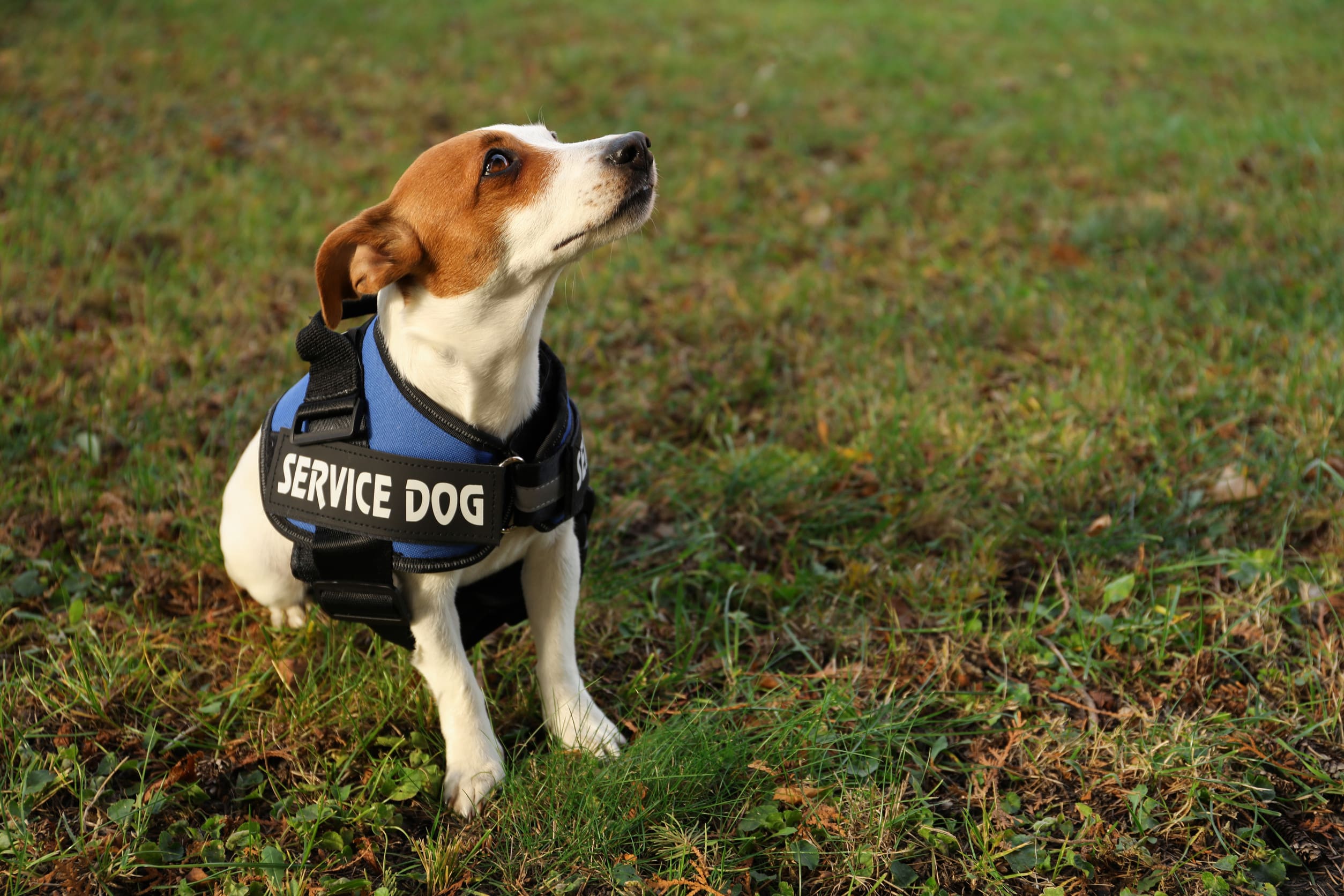
Service Dog for ADHD: A Life-Changing Treatment (and Friend)
A service dog can greatly improve an individual’s quality of life. Their trained tasks can help their handler reclaim control of their focus, better manage distress, and obtain goals that they previously felt were out of reach.
If you think that a service dog for ADHD may help you better cope with your symptoms, then be sure to get in contact with us here at Emotional Support Animals to learn more about the process. We can help you find out whether you qualify and, most importantly, determine whether an ADHD service dog is the right kind of support for you.